
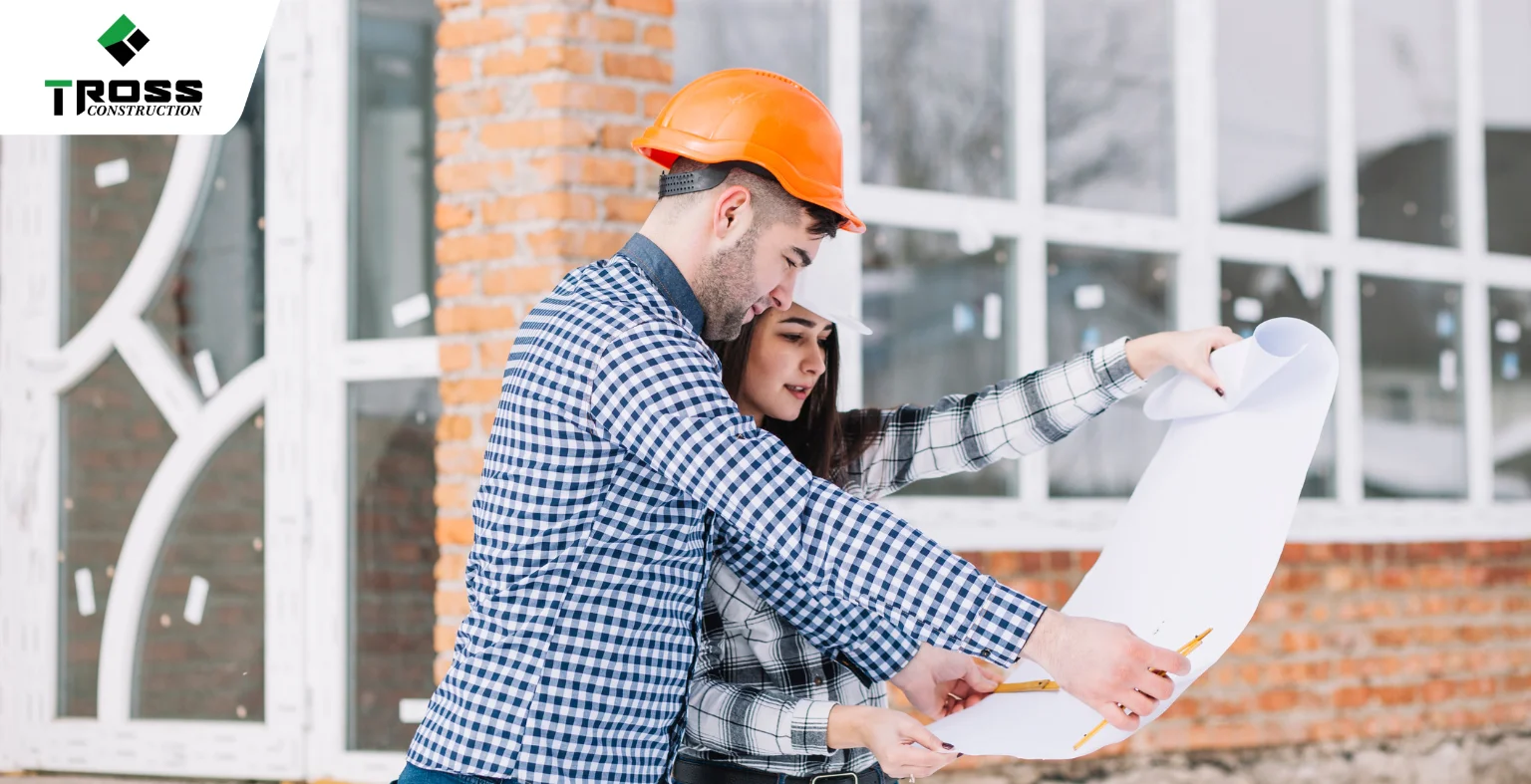
The Importance of Exterior Waterproofing for Montreal Residences
Protecting your Montreal home from water damage is paramount. An effective exterior waterproofing system safeguards your foundation, prevents costly repairs, and ensures a healthy indoor environment. You are investing in your property’s long-term structural integrity and market value with proper protection.
Addressing the Unique Challenges of the Local Climate
Montreal’s climate presents distinct waterproofing hurdles. Your home endures freeze-thaw cycles, heavy snowfall, and significant spring thaws. These conditions stress foundations, making a resilient exterior barrier imperative to prevent water infiltration and structural deterioration.
Why Tross Construction Prioritizes Exterior Solutions
Tross Construction focuses on exterior waterproofing for a reason. You gain superior protection that addresses water at its source, preventing it from ever reaching your foundation walls. This proactive approach offers a more comprehensive and durable solution than interior methods.
Choosing exterior waterproofing with Tross Construction means you are opting for the most effective defense against Montreal’s challenging weather. This method involves excavating around your foundation to apply a continuous, impermeable barrier directly to the exterior walls. You stop water before it can penetrate your home’s structure, eliminating hydrostatic pressure and preventing mold growth within your basement. This comprehensive strategy ensures lasting protection and peace of mind for your property.
Critical Factors Influencing Waterproofing Success
Protecting your Montreal home from water damage requires more than just applying a barrier. Several elements directly impact the effectiveness and longevity of your waterproofing system. Consider these factors carefully to ensure a successful and lasting solution. Assume that ignoring any of these could compromise your home’s protection.
Assessing Soil Composition and Foundation Condition
Your home’s foundation and the surrounding soil are key players. Clay soils retain water differently than sandy soils, impacting drainage. Inspect your foundation for existing cracks or deterioration; these require attention before waterproofing begins.
Evaluating Property Grading and Surface Drainage
The way your property slopes dictates water flow. Proper grading directs water away from your foundation, preventing pooling. Ensure downspouts extend far enough from your home to prevent localized saturation. Understanding your property’s grading and surface drainage patterns is paramount for effective waterproofing. Observe how water flows during heavy rainfall or snowmelt. Are there areas where water consistently pools near your foundation? Do your downspouts discharge water directly onto the ground next to your walls, or do they extend several feet away? Even a slight negative grade, where the ground slopes towards your house, can channel significant amounts of water directly to your foundation walls, overwhelming any waterproofing efforts. Correcting these issues, often with simple regrading or extending downspout leaders, forms the first line of defense against water intrusion.
Primary Types of Exterior Waterproofing Systems
Exploring the various waterproofing systems available helps you make informed decisions for your Montreal home. Each system offers distinct advantages, addressing specific vulnerabilities in your foundation. Thou must select the right combination for optimal protection.
High-Performance Liquid and Bituminous Sheet Membranes
| System Type | Description | Liquid Membranes | Applied as a fluid, curing into a flexible, jointless barrier. | | Bituminous Sheets | Pre-formed, self-adhesive or torch-applied rolls for consistent thickness. | | Hybrid Systems | Combines the benefits of both liquid and sheet applications. | | Polymer-Modified | Enhanced flexibility and adhesion for challenging conditions. | | Rubberized Asphalt | Excellent elasticity, bridging minor cracks effectively. | You need a continuous, impermeable barrier against water infiltration. These membranes, whether liquid or sheet, adhere directly to your foundation walls, creating a protective skin. The goal is to prevent any water from reaching the concrete or block.
Foundation Drainage Boards and French Drain Integration
| System Type | Description | Drainage Boards | Dimpled or channeled sheets creating an air gap for water flow. | | French Drains | Perforated pipes collecting water and diverting it away from the foundation. | | Geotextile Fabric | Prevents soil and silt from clogging the drainage system. | | Sump Pump | Removes collected water from the lowest point of your basement. | | Inspection Ports | Allow for easy maintenance and cleaning of the drainage system. | You will want to manage hydrostatic pressure effectively with these systems. Drainage boards create a clear path for water to flow downwards, while French drains collect and redirect it away from your foundation. This combination significantly reduces the stress on your waterproofing membrane.
This system actively manages groundwater around your foundation, preventing it from building up pressure against your waterproofing layers. Drainage boards, installed against the exterior of your foundation wall, create a crucial air gap. This gap allows any water that penetrates the soil to easily flow down to the French drain. The French drain, a buried perforated pipe surrounded by gravel and often wrapped in geotextile fabric, then collects this water and channels it safely away from your home’s foundation, typically to a storm sewer or a designated discharge area. This comprehensive approach significantly reduces the risk of water infiltration and hydrostatic pressure damage to your basement.
Step-by-Step Guide to the Waterproofing Process
This comprehensive guide breaks down the exterior waterproofing process into manageable stages, ensuring your Montreal home receives the best protection. Understanding each phase helps you appreciate the precision and expertise involved in safeguarding your foundation against water damage.
| Exterior Waterproofing Stages | |
| 1. Professional Excavation and Surface Preparation | 2. Membrane Application and Backfilling |
Professional Excavation and Surface Preparation
Careful excavation around your home’s foundation is the first step. Our team meticulously clears the area, ensuring proper access. Workers then clean and repair the foundation surface, removing debris and addressing any cracks or imperfections before applying the waterproofing material.
Membrane Application and Backfilling by Tross Construction
Skilled technicians apply a high-quality waterproofing membrane to your prepared foundation. This creates an impenetrable barrier against moisture. Crews then carefully backfill the excavated area, restoring the surrounding landscape while protecting the newly applied membrane. The membrane application itself demands meticulous attention to detail. Tross Construction uses only industry-leading materials, chosen for their durability and effectiveness in Montreal’s specific climate. Our certified installers ensure every seam is perfectly sealed, creating a continuous, watertight envelope around your foundation. Proper backfilling follows, which involves carefully returning the soil to avoid damaging the new membrane and ensuring correct drainage away from your home.
Pros and Cons of Exterior Foundation Protection
Understanding the advantages and disadvantages of exterior foundation waterproofing helps you make an informed decision for your Montreal home. Weighing these factors against your specific property needs ensures you choose the most effective solution for lasting protection.
| Pros | Cons |
|---|---|
| Stops water before it reaches your foundation walls. | Requires excavation around your home. |
| Protects your entire foundation, including footings. | Can be a more significant initial investment. |
| Minimizes interior disruption during installation. | Temporary disruption to your yard and landscaping. |
| Reduces the risk of mold and mildew inside your basement. | Weather can impact installation timelines. |
| Increases your home’s overall market value. | Access limitations for very narrow properties. |
| Provides a long-term, durable waterproofing solution. | Permits may be required for excavation. |
| Enhances structural integrity by preventing water damage. | Potential for minor utility line relocation. |
Long-Term Benefits for Structural Integrity and Value
Protecting your foundation externally significantly extends its lifespan, preventing costly structural damage. You safeguard your home’s core, preserving its integrity and improving its resale value in the competitive Montreal market. This proactive approach delivers peace of mind for decades.
Financial Considerations and Temporary Landscape Disruption
You will face an initial investment for exterior waterproofing, which can be higher than interior methods. Your yard will experience temporary disruption due to excavation, requiring careful planning around existing features. This investment, while substantial upfront, provides unparalleled long-term protection, potentially saving you from much larger repair costs down the line. You should budget for potential landscaping restoration after the work is complete, ensuring your property returns to its original aesthetic appeal. Consider the long-term benefits versus the immediate financial outlay and temporary inconvenience.
Expert Maintenance Tips for Montreal Homeowners
Protecting your Montreal home from water damage requires proactive care. Implement these simple, yet effective, maintenance practices to keep your foundation dry and your property secure. Knowing these steps will save you significant repair costs down the line.
- Regularly inspect your foundation for cracks.
- Keep an eye on your roof and siding for any damage.
- Ensure proper drainage around your home.
Seasonal Gutter Management and Downspout Extensions
Clear your gutters of leaves and debris, especially in spring and fall. Direct water far from your foundation using downspout extensions. This prevents saturation and potential basement flooding, a common issue in Montreal.
Effective Landscaping Strategies to Prevent Water Pooling
Slope your soil away from your home’s foundation. Plant water-absorbing shrubs and trees strategically, but not too close. This directs rainfall away from your walls, reducing hydrostatic pressure on your basement. Consider regrading areas around your home where water tends to collect. A minimum slope of six inches over the first ten feet away from your foundation is recommended. You can also incorporate French drains or dry wells in problem areas to collect and redirect excess water underground. Selecting native plants that thrive in Montreal’s climate and have good water absorption capabilities will further enhance your drainage efforts without requiring excessive irrigation.
Summing up
You now possess a comprehensive understanding of exterior waterproofing for Montreal homes. Protecting your property from the city’s unique climate demands proactive measures. By implementing the strategies outlined, you safeguard your investment against water damage and ensure long-term structural integrity. Your informed decisions will provide lasting peace of mind.Here are 5 detailed FAQ questions and answers about ‘Complete Guide to Exterior Waterproofing for Montreal Homes’, following your specified writing rules:
Q: Why is exterior waterproofing particularly important for homes in Montreal?
A: Montreal’s climate presents unique challenges for home foundations. The city experiences significant freeze-thaw cycles throughout the year, with temperatures fluctuating above and below freezing multiple times in a single winter. This constant expansion and contraction of soil and concrete can create cracks in foundation walls. Heavy spring rains and melting snow contribute to high levels of hydrostatic pressure against basement walls, pushing water into any existing weaknesses. Without effective exterior waterproofing, Montreal homes are highly susceptible to basement leaks, mold growth, and structural damage caused by water infiltration. Protecting the foundation from these climate-specific stressors extends the life of the home and prevents costly interior repairs.
Q: What are the primary signs that my Montreal home might need exterior waterproofing?
A: Several indicators suggest your home’s exterior waterproofing might be failing or nonexistent. Water stains on basement walls or floors are a clear sign of infiltration. You might notice a musty odor in the basement, even if no visible water is present, indicating hidden moisture or mold. Efflorescence, a white powdery residue on concrete or masonry surfaces, forms when water evaporates and leaves mineral deposits behind. Cracks in the foundation walls, particularly horizontal or stair-step cracks, can be entry points for water. A damp or perpetually wet basement, even after heavy rainfall, points to inadequate drainage or a compromised barrier. If you observe any of these signs, a professional assessment of your exterior waterproofing system is advisable.
Q: What methods are generally involved in a complete exterior waterproofing project for a Montreal home?
A: A comprehensive exterior waterproofing project typically begins with excavating around the foundation walls down to the footing. This exposes the entire foundation for inspection and treatment. Workers clean the foundation surface thoroughly, removing old coatings, dirt, and debris. Any cracks in the concrete are then repaired using specialized hydraulic cement or epoxy injections. A waterproof membrane, often a self-adhesive rubberized asphalt sheet or a liquid-applied polymer, is then installed over the foundation walls, creating a continuous barrier against water. A drainage board or dimpled membrane is frequently added over the waterproof membrane to protect it and create an air gap for water to flow freely. Finally, a new weeping tile system (French drain) is installed at the footing level, surrounded by gravel, to collect and divert water away from the foundation. Backfilling with appropriate granular material completes the process.
Q: How does exterior waterproofing differ from interior waterproofing, and why is exterior often preferred?
A: Exterior waterproofing stops water from entering the foundation walls in the first place. It creates a protective barrier on the outside of the foundation, preventing water from reaching the concrete or masonry. Interior waterproofing, in contrast, manages water once it has already penetrated the foundation. This usually involves installing an interior drainage system, like a trench and sump pump, to collect water that leaks through the walls and pump it out. While interior solutions can keep a basement dry, they do not address the root cause of the problem – water pressing against the foundation. Exterior waterproofing prevents the water from ever reaching the structural components of your home, protecting the foundation itself from constant moisture exposure, which can lead to long-term deterioration. Preventing water intrusion at its source is generally the more effective and durable solution for protecting a home’s foundation.
Q: What factors should I consider when selecting a contractor for exterior waterproofing in Montreal?
A: Selecting the right contractor is vital for a successful exterior waterproofing project. Look for companies with extensive experience specifically in Montreal’s climate and soil conditions. Verify that the contractor holds appropriate licenses and insurance, including liability and workers’ compensation. Ask for references from previous clients and follow up on them to assess their satisfaction with the work and professionalism. A reputable contractor will provide a detailed written estimate outlining all aspects of the job, including materials, labor, excavation, and cleanup. Inquire about the warranty offered on their work and materials; a strong warranty reflects confidence in their services. Do not hesitate to ask questions about their process, the materials they use, and how they handle potential unforeseen issues during excavation. Finding a contractor with a proven track record of quality work and transparent communication will lead to the best outcome for your home.