
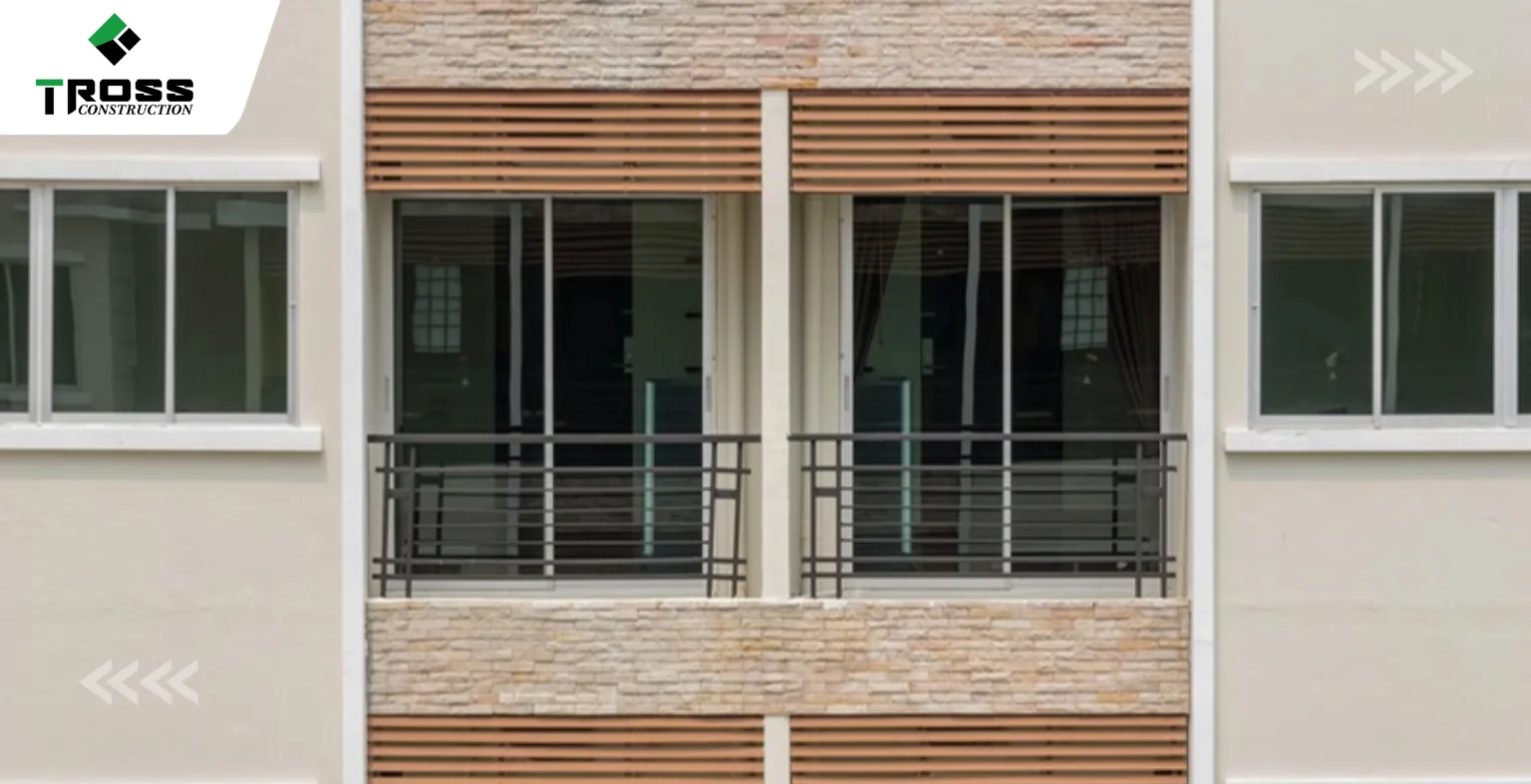
The outer appearance of a property gives the initial impression whenever it involves design. Exterior wall cladding represents one of the greatest means to transform the visual appeal of your residence and protect it from weather-related harm. It provides your home color, texture, and personality in spite of offering security. Let’s look at wall cladding‘s meaning, types, benefits, and the most recent styles of design that people are now adopting.
Get a quoteExterior Wall Cladding: What Is Its Meaning?
Exterior wall cladding is an insulating coating that has been attached to the external walls of a structure. It functions as either a useful or an attractive modification. Houses are protected through their roofing from sudden swings in rainfall, downpours, and harmful ultraviolet (UV) rays.
You can think of it just as the external siding of your dwelling since it offers a new, trendy design while maintaining its base.
Common Designs of External Wall Cladding
Cladding supplies are available in numerous forms, each having an original look and function. The one you pick will depend in a substantial way on your furnishings needs, conditions, and money situation. Listed is an outline of some of the most popular sorts:
1. Cladding created from vinyl
Among the most commonly employed and affordable substances is vinyl. It is available in a range of styles and hues, remains portable, and it is easy to put together.
2. Cladding crafted from wood
Timber provides an ecological feel and ease that hardly any substance can rival. Wooden products like oak, redwood, walnut, and spruce are employed widely given their lively and varied shades. Ongoing protection or polishing defends the lumber from condensation and termite attack. Wood cladding keeps its organic appeal while remaining functional more effectively due to current treatment methods.
3. Cladding built from fiber cement
Fiber cement-based cladding offers the finest attributes of toughness and design with a mixture of cellulose fibers, fiber concrete, and sandy particles. While it is simple to maintain and fireproof, it resembles wood or limestone. It’s ideal for regions with severe winters.
4. Cladding created from metal
Metal cladding is common in new construction as it is modern, trendy, and sturdy. The components that give residences an appealing commercial look consist of steel, copper, zinc, and aluminium as well. It is an ecologically friendly option as it is reusable and not prone to decomposition or rust.
5. Stone veneer and bricks
These coverings are far easier and lighter to set up; however, they retain the classic look of genuine stone or brick. They provide a refined, traditional style that increases visibility and market value.
External wall cladding increases a construction’s look while saving it from damage from the elements. It presents an urban design, reliability, and heat retention. Beautiful, and strong outer walls, which improve both efficiency and appearance, are created from resources like synthetic sheets, wood, steel, and stone.
Get a quoteThe Benefits of External Wall Cladding
1. Environmental Protection
Siding on the outside offers protection against downpours, thunderstorms, and UV (ultraviolet) rays. It reduces the chance of gaps and structural harm by restricting humidity from entering into interior walls.
2. Efficacy in the consumption of energy
The insulating layers that exist within numerous wall systems help in maintaining the degree of warmth within. As an outcome, less cooling or warming might be required, and this will decrease the price of energy.
3. Low Maintenance
Cladding calls for less upkeep compared to traditional coating colors. It appears brand new after a brief cleaning every now and then.
Conclusion
One of the finest purchases you could make for your home is exterior wall cladding. It also safeguards, protects, and looks great. Any house may feature a perfect design, whether you prefer the strength of fiber cement, the inviting feel of timber, or the modern appearance of metallic materials. Remodel your home’s exterior quickly by choosing the coating that best fulfils your budget and requirements.
Are you willing to modify the visual appeal of the place where you live? Choose the style that suits your space by browsing through the latest options for exterior wall cladding. For helpful advice and lasting outcomes, connect with a professional contractor like Tross Construction. One remodelling project may give the perfect home a completely fresh appearance.
F.A.Q
1. What is the duration of external wall cladding?
Exterior siding is capable of lasting for between 20 and 50 years or more, according to the type of wood used. Wood veneers made from metal, rock, and fiberglass cement usually last longer than others.
2. Is cladding good for virtually any kind of weather conditions?
Sure. Exterior siding is created to stand up to every kind of environmental variable. For example, wood performs most effectively in cooler regions, while metals and cement made from fiber do well in moist or coastal regions.
3. Can I protect old buildings using cladding?
Usually speaking, definitely. Many products are designed for placement straight across existing buildings, reducing labor and time.
4. Does covering exterior walls add to a house’s thermal efficiency?
Of course. The thermal insulation panels that are built into several new building materials increase comfort inside and save electricity.
5. Is cladding beneficial for the natural world?
It just might be. Renewable resources that lower their negative effect on the surroundings consist of bamboo, wood composite frames, and used metals.
Get a quote