
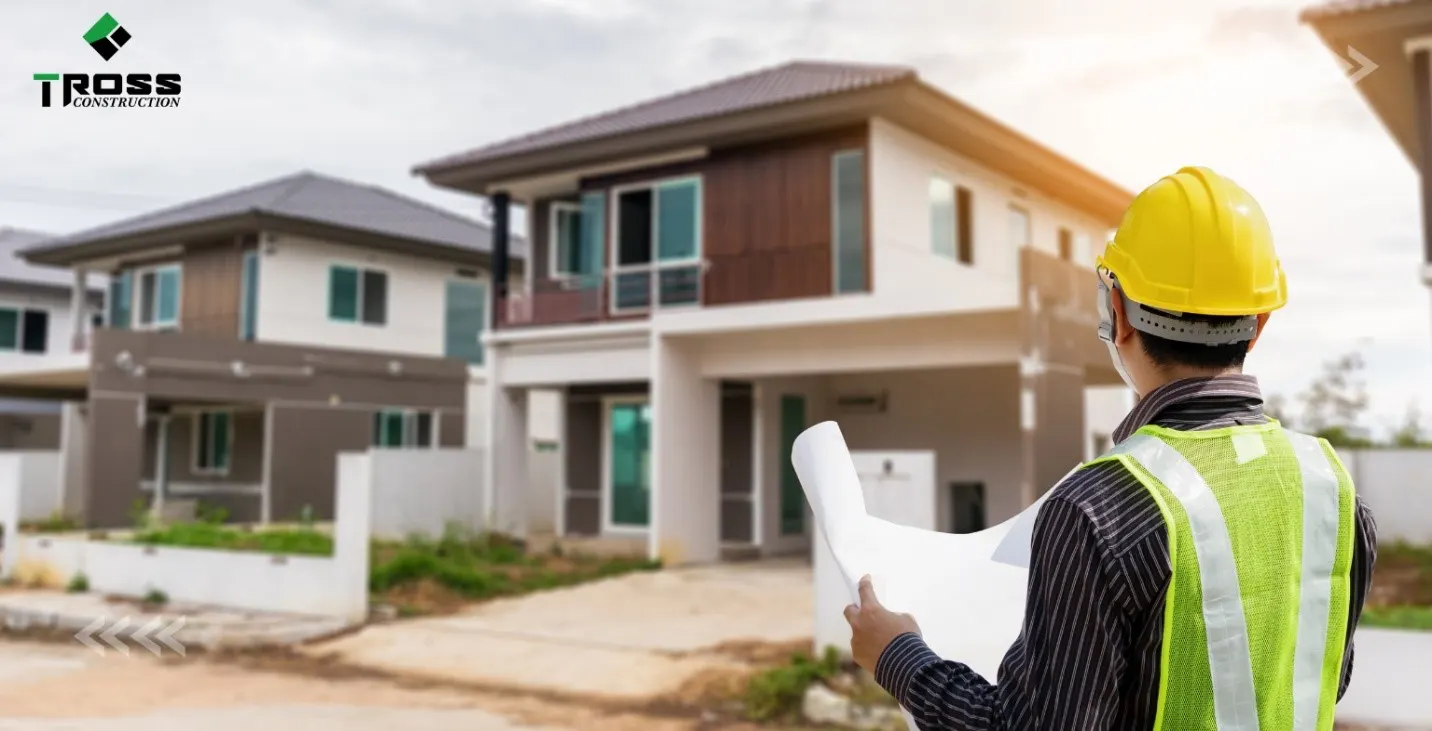
Adding more space to a home in Toronto is now very common. Many families want a bigger house without moving to a new place. The cost of an addition depends on many things. But the process becomes easier when the person understands the steps. Many people also look at this option because they want to improve their property value without opting for new home construction.
Toronto is a busy and growing city. Most houses have limited space, and land is expensive. Because of this, a home addition becomes a better option. It gives more room and supports long-term comfort.
Get a quoteUnderstanding Home Addition Costs
Just like new home construction, opting for an addition usually starts with careful planning. The price depends on design, size, structure, and level of finish. Every person has a different dream, and each project requires a unique approach.
When the planning starts, the team checks the current condition of the property. They look at the foundation and walls. They check the utilities and permit. These steps decide the total cost. A small extension at the back of the house may be more affordable. But a second-storey addition may need more engineering and support.
Planning and Design Fees
A well-planned design helps avoid mistakes and delays. An architect prepares the drawings according to building rules. These drawings include structure, layout, electrical lines, plumbing, and ventilation.
Good design supports safety and comfort. This stage adds to the cost. But it protects the owner from future issues. Design fees can vary. A simple extension may need fewer drawings and shorter planning time. A larger project may take more detailed surveys. Many families feel happier when they see the plan clearly before the start of home construction. It gives a clear picture of the final result.
Permit and Approval Costs
This city has strict building regulations.
The city requires permits for most home additions. This includes structural changes, new levels, and large extensions. Permit fees depend on the size of the addition and the type of work. The team must follow all rules to make sure the house stays safe and legal.
Waiting for permit approval takes time. Some applications move faster than others. A professional contractor helps through the process and saves time. This step is important because it keeps the project smooth and trouble-free.
Material and Labour Cost
These form a big part of the total cost.
Quality materials last longer and look better. Labour cost depends on experience and project difficulty. The following things must meet the city’s climate needs:
- Concrete
- Wood framing
- Insulation
- Roofing
- Exterior cladding
Winters are very cold. So, every addition must be strong and energy-efficient.
Many people choose materials that match the style of the existing house. This gives the property a natural look. Best workers make sure each part of the structure fits well. They also check all the details to avoid moisture. They check that there is no heat loss. These details protect the house from long-term damage.
Types of Home Additions and Their Price Range
The cost also depends on the type of addition the family wants.
A rear extension adds more living space. A side extension creates room in narrow city plots. A second-storey addition increases space without using extra land. A sunroom adds more light and comfort.
Rear additions cost less compared to second-storey additions. This is because the structure at ground level needs fewer changes. A second-storey addition needs more support beams and more engineering checks. Sunrooms cost less if they do not include full insulation and heating systems.
Get a quoteFoundation and Structural Needs
A strong foundation supports the entire addition.
If the old foundation cannot carry the extra load, the team may need to strengthen it. This increases the total cost. Older houses may also need new drainage and waterproofing to avoid water damage. These steps add safety and stability.
Structural changes include
- Framing
- Beams
- Roofing
- Reinforcement
Each part must follow building standards. People feel more secure when these elements stay strong for many years.
Interior Finishing Costs
Interior finishing includes
- Flooring
- Painting
- Lighting
- Cabinets
- Fixtures
This stage decides the final look of the new space. Basic finishes cost less. Luxury finishes raise the price. Many families choose mid-range finishes that give style and durability without overspending.
Long-Term Value of a Home Addition
This adds value to a property. It is a simple thing compared to new home construction. Families gain more comfort and better use of space. When the time comes to sell the house, buyers see the extra room as a strong advantage. A well-designed and well-built addition supports long-term financial growth.
Most people say that an addition improves daily life. They feel more relaxed because everyone in the house gets more personal space.
Conclusion
A home addition in this city is a meaningful investment. It gives more space and value. The cost depends on many different things. Good planning and a trusted contractor help the owner feel confident from start to finish. Every family deserves a house that supports their lifestyle. A well-built addition can make that dream a reality.
If you want to hire the best construction house contractor, contact us at Tross Constructions.
FAQs
Is a construction house extension more affordable than moving to a new place?
Yes. Many families find that it costs less than buying a bigger property and moving.
Can a home addition support better use of space in older homes?
Yes. They get a better layout and comfort when the family adds more space.
Does a second-storey addition increase home value in Toronto?
Yes. It does because it adds more living area without using extra land.
Do basement additions need extra structural checks?
Yes. They need more inspection because of the moisture and soil load. The check is needed due to ventilation needs.
Can families live inside the house during the addition work?
Yes. They can, but it depends on the type of work and safety conditions.
Get a quote