
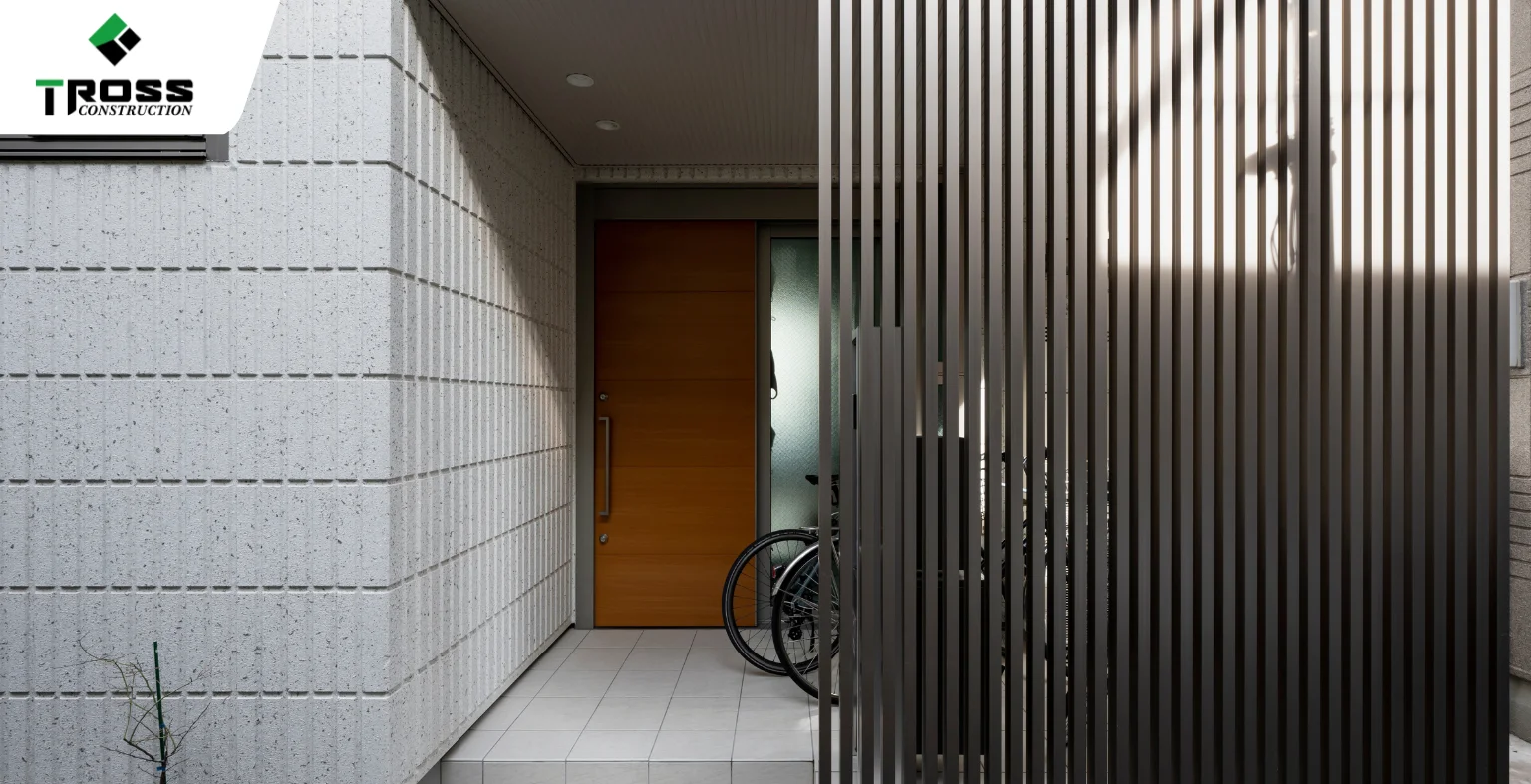
Many homeowners face the challenge of selecting the ideal exterior cladding. You want a material that withstands Canada’s diverse climate, offers lasting curb appeal, and fits your budget. This guide will help you understand the pros and cons of vinyl, wood, fibre cement, and aluminum, empowering you to make an informed decision for your home.
Essential Factors for Selecting Exterior Wall Cladding in Canada
Selecting the ideal exterior wall cladding for your Canadian property involves several key considerations. You need to balance aesthetics, durability, and cost. Consider your local climate and architectural style. Recognizing these elements ensures a successful and lasting exterior.
Assessing Weather Resistance and Thermal Performance
Canada’s diverse climate demands cladding that withstands extreme conditions. You need materials resisting harsh winters and hot summers. Look for options that prevent moisture penetration and offer excellent insulation properties. Your choice directly impacts energy efficiency.
Evaluating Long-Term Maintenance and Life Cycle Costs
Every cladding material comes with different maintenance requirements. You should factor in the time and expense of upkeep over its lifespan. Consider the cost of cleaning, repairs, and potential replacements. These expenses add up over decades. Your initial investment in cladding represents only one part of the total cost. You must account for ongoing expenses like painting, sealing, or specialized cleaning. Some materials, while more expensive upfront, require minimal maintenance, saving you money and effort in the long run. Conversely, cheaper options might demand frequent attention, increasing their true cost over time. You should analyze warranties and expected material longevity to make an informed decision.
How-To Guide for Comparing Vinyl, Wood, Fibre Cement, and Aluminum
Choosing the ideal cladding requires careful consideration of each material’s unique properties. This guide helps you systematically evaluate vinyl, wood, fibre cement, and aluminum against key criteria, ensuring your decision aligns with your home’s needs and your personal preferences.
| Comparison Category | Key Considerations |
| Durability & Maintenance | Assess weather resistance, lifespan, and upkeep requirements. |
| Aesthetics & Style | Consider available colors, textures, and architectural compatibility. |
| Cost & Installation | Evaluate material and labor costs, plus installation complexity. |
| Environmental Impact | Review sustainability, recycled content, and energy efficiency. |
Analyzing Material Durability in Extreme Temperature Fluctuations
Your Canadian home faces harsh winters and warm summers. Evaluate how each cladding material performs under these conditions, resisting cracking, warping, or fading. Consider materials that maintain structural integrity and appearance through extreme temperature swings.
| Material | Temperature Performance Notes |
| Vinyl | Can become brittle in extreme cold; may warp in intense heat. |
| Wood | Susceptible to expansion/contraction; requires proper sealing. |
| Fibre Cement | Excellent dimensional stability; resists cracking from temperature shifts. |
| Aluminum | Good stability; can dent from impact in colder temperatures. |
Selecting Textures and Colors to Enhance Curb Appeal
You want your home to stand out. Select textures and colors that complement your home’s architectural style and surrounding environment. Visualize how different options will look from the street, impacting your home’s overall aesthetic. Imagine the impact a rich, deep hue or a natural wood grain can have on your home’s presence. Explore samples in various lighting conditions to truly understand how colors will appear throughout the day and in different seasons. Consider how textures, from smooth modern finishes to rustic shiplap, will interact with sunlight and shadows, adding depth and character to your exterior. Your choice significantly influences your home’s first impression.
How to Choose the Right Exterior Wall Cladding with Tross Construction
Selecting the ideal cladding for your Canadian home becomes straightforward with Tross Construction. You gain expert guidance through every decision, ensuring your choice perfectly matches your aesthetic preferences, budget, and local climate. We simplify the entire process from start to finish.
Step-by-Step Consultation and Material Selection Tips
Your journey with Tross Construction begins with a personalized consultation. We discuss your vision, property specifics, and performance expectations for your new cladding. After this initial discussion, you receive tailored recommendations.
- Assess your home’s architectural style.
- Consider your budget and long-term maintenance goals.
- Evaluate local weather patterns and insulation needs.
- Review material samples and color palettes.
- After selecting your preferred options, we finalize the project scope.
Material Selection Guide
| Vinyl Siding | Cost-effective, low maintenance, wide color range. |
| Wood Siding | Natural beauty, customizable finishes, requires more upkeep. |
| Fibre Cement | Durable, fire-resistant, mimics wood or masonry. |
| Aluminum Siding | Lightweight, weather-resistant, minimal maintenance. |
Navigating Local Building Codes and Installation Standards
You must ensure your chosen cladding complies with all local Canadian building codes. Tross Construction handles this complex aspect for you, guaranteeing adherence to regulations and proper installation techniques. Every municipality in Canada possesses specific requirements for exterior cladding materials and installation. These codes often dictate fire ratings, insulation values, and even aesthetic guidelines for certain historical districts. Tross Construction’s team stays current with these evolving regulations, ensuring your project not only looks fantastic but also meets every legal and safety standard. We manage all necessary permits and inspections, saving you time and potential headaches.
Expert Tips for Ensuring a High-Quality Installation
Protecting your investment in exterior cladding demands meticulous installation. Verify your installer’s certifications and experience with your chosen material. Review detailed project plans and specifications before work begins. Conduct regular site visits to monitor progress and adherence to standards. This proactive approach prevents costly mistakes.
Managing Moisture Barriers and Proper Ventilation
Ensuring proper water management behind your cladding is vital. Install a continuous moisture barrier, shingle-lapped to prevent water intrusion. Adequate ventilation, often achieved with a rainscreen system, allows trapped moisture to escape. This prevents rot and mold, protecting your home’s structure.
Best Practices for Maximizing Material Longevity
Selecting the right materials is only half the battle; proper installation and ongoing care extend their life. Follow manufacturer guidelines for fasteners, sealants, and expansion gaps. Regular cleaning and inspections will catch minor issues before they become major problems. This attention to detail safeguards your home for decades. Extending the lifespan of your chosen cladding material involves more than just initial installation. You should establish a routine maintenance schedule, including cleaning and inspecting for any signs of wear or damage. Promptly address any cracks, loose panels, or compromised seals to prevent water intrusion and further deterioration. Applying protective coatings or sealants, as recommended by the manufacturer, can also significantly enhance durability against Canada’s harsh weather conditions.
Conclusion
With these considerations, you can confidently select the ideal exterior wall cladding for your Canadian home. Your choice impacts curb appeal, energy efficiency, and long-term maintenance. Weigh the pros and cons of vinyl, wood, fibre cement, and aluminum against your budget, desired aesthetic, and regional climate to make an informed decision that protects and beautifies your property for years.
FAQ
Q: What are the primary considerations when selecting exterior wall cladding for a Canadian home?
A: Canadian homeowners face unique challenges with extreme weather, from freezing winters to hot, humid summers. The right exterior cladding protects the structure, insulates the interior, and enhances curb appeal. Key factors include the local climate, the home’s architectural style, your budget, and the desired maintenance level. You will want to consider the material’s R-value for insulation, its resistance to moisture and UV degradation, and its long-term durability against impact or harsh winds. Property values can also be affected by the quality and appearance of the chosen cladding.
Q: How does vinyl siding compare to other options for Canadian climates?
A: Vinyl siding is a popular choice across Canada due to its affordability and low maintenance. It resists rot and insect damage, and a simple wash with soap and water keeps it looking good. Modern vinyl products offer improved thickness and UV inhibitors, reducing the risk of cracking in cold temperatures or fading in direct sunlight. However, vinyl can become brittle in extreme cold, making it susceptible to impact damage. It also offers less insulation than some other materials unless additional insulation is installed underneath. Homeowners often appreciate the wide range of colors and styles available.
Q: What are the benefits and drawbacks of using wood cladding in Canada?
A: Wood cladding, like cedar or pine, provides a classic, natural aesthetic that many homeowners find appealing. It offers good insulation properties and is a renewable resource. Many Canadian homes feature wood for its rustic charm and ability to blend with natural surroundings. Regular maintenance is a requirement for wood cladding, including staining or painting every few years to protect it from moisture, UV rays, and insect infestation. Without proper care, wood can warp, crack, or rot. Fire resistance is another consideration, as wood is naturally combustible. Engineered wood products offer some enhanced durability and reduced maintenance.
Q: Is fibre cement a good option for Canadian homes, and what are its main features?
A: Fibre cement cladding, made from cement, sand, and cellulose fibers, is an excellent choice for Canadian homes. It offers exceptional durability, resisting rot, insects, and fire. This material performs well in diverse weather conditions, including heavy snow and strong winds, without cracking or warping. Fibre cement is available in various textures and colors, mimicking wood grain or smooth finishes, providing design flexibility. While the initial installation cost can be higher than vinyl, its long lifespan and minimal maintenance often justify the investment. Repainting may be necessary after 10-15 years, but the material itself remains strong.
Q: What advantages does aluminum cladding offer for exterior walls in Canada?
A: Aluminum cladding is a lightweight, durable, and fire-resistant option well-suited for Canadian conditions. It will not rust, rot, or warp, and it stands up well to extreme temperatures without cracking. The baked-on finish on aluminum siding resists fading and chipping, requiring very little maintenance beyond occasional cleaning. It also offers good protection against pests. A potential drawback is that aluminum can dent upon impact, and repairs can be more complex than with other materials. The initial cost can be higher than vinyl, but its longevity and minimal upkeep make it a cost-effective choice over time. Aluminum’s sleek appearance suits modern architectural styles.