
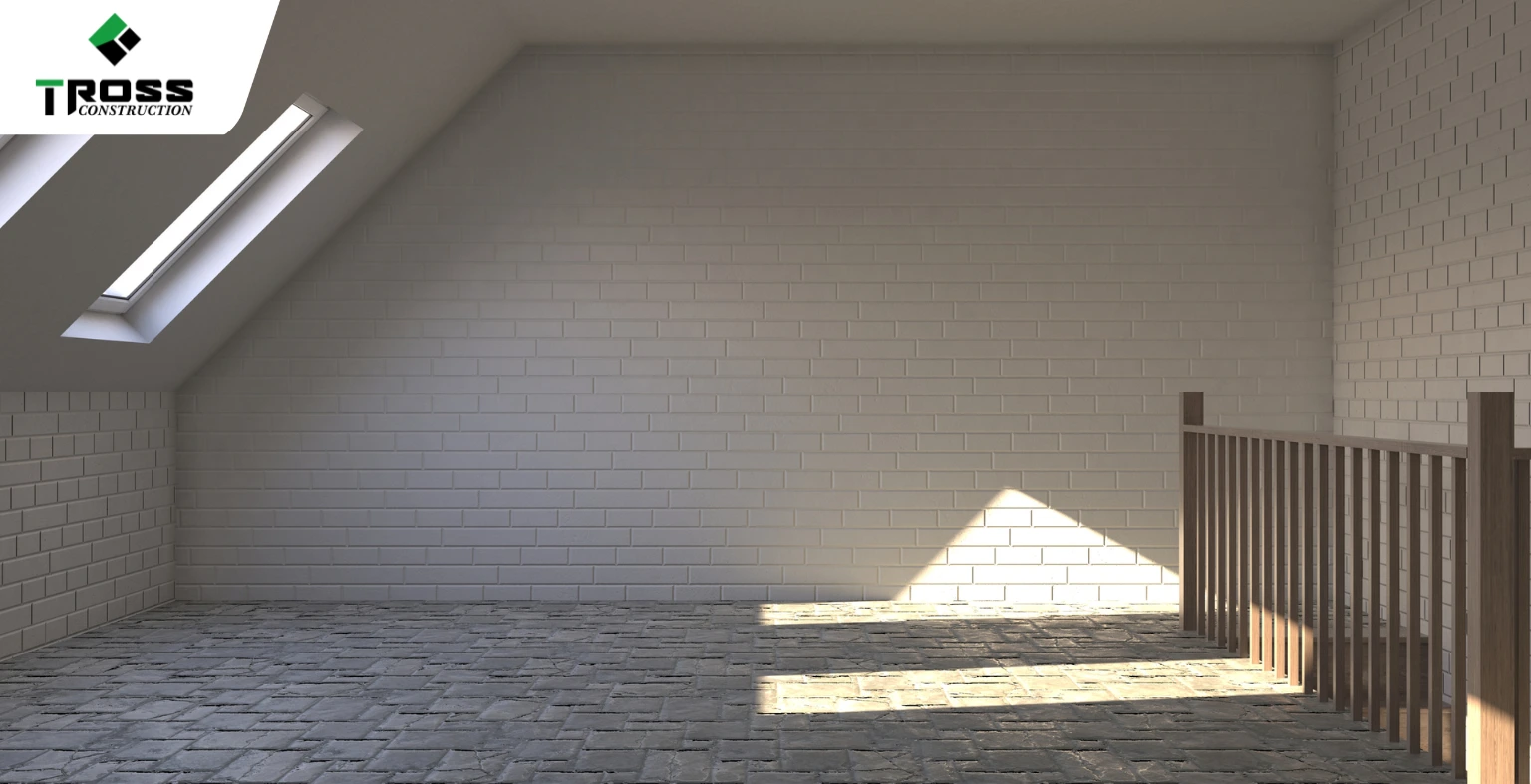
You envision transforming your Montreal basement into a vibrant, functional extension of your home. This guide provides an authoritative overview of renovation costs, innovative design concepts, and the imperative steps to successfully complete your project, specifically tailored for 2026.
Planning Your Basement Renovation Montreal with Tross Construction
Collaborating with Tross Construction ensures a streamlined basement renovation experience in Montreal. Our team guides you through every phase, from initial concept to final touches, transforming your lower level into a valuable extension of your home. You receive personalized attention and expert advice tailored to Montreal’s specific building codes and climate challenges.
Key factors influencing renovation costs in 2026
Several elements dictate your basement renovation budget. Material selections, labor rates, and the complexity of structural changes all play a role. Integrating new plumbing or electrical systems, for example, adds to the overall expense.
- Scope of work (e.g., finishing an unfinished basement vs. remodeling an existing one)
- Quality of materials chosen (e.g., standard drywall vs. soundproofed walls)
- Need for permits and inspections
- Inclusion of specialized features like a wet bar or sauna
Knowing these variables upfront helps you set a realistic budget for your project.
Expert tips for maximizing underground square footage
Optimizing your basement layout is key to creating functional and inviting spaces. Consider open-concept designs to enhance the sense of spaciousness. Strategic lighting also dramatically impacts how large a basement feels.
- Utilize built-in storage solutions
- Incorporate multi-functional furniture
- Plan for adequate lighting, both natural and artificial
- Choose lighter paint colors for walls and ceilings
Any design decisions should aim to make the space feel larger and more purposeful.
Thoughtful design choices can significantly impact the perceived size and utility of your underground area. For instance, installing pocket doors instead of traditional swinging doors saves valuable floor space, allowing for more flexible furniture arrangements. Similarly, integrating vertical storage, such as floor-to-ceiling shelving units or custom cabinetry built into alcoves, keeps clutter at bay without encroaching on the main living areas. Reflective surfaces, like large mirrors strategically placed, can also bounce light around the room, creating an illusion of greater depth and openness.
- Utilize built-in storage solutions
- Incorporate multi-functional furniture
- Plan for adequate lighting, both natural and artificial
- Choose lighter paint colors for walls and ceilings
Any design decisions should aim to make the space feel larger and more purposeful.
Innovative Design Ideas for Modern Living
Creating functional home offices and guest suites
Your basement offers an opportunity to integrate dedicated workspaces or comfortable accommodations. Consider a custom-built desk with integrated storage, optimizing every square foot for productivity. A Murphy bed can transform a home office into a guest suite instantly, providing flexibility for visiting friends or family.
Trending layouts for entertainment and fitness zones
Modern basement designs often feature open-concept areas that blend leisure activities. You might incorporate a home theater setup alongside a dedicated space for your Peloton or yoga mat. Soundproofing is key in these zones, ensuring enjoyment without disturbing other household members. A well-designed entertainment zone often includes a wet bar or a small kitchenette, enhancing the hospitality for gatherings. For a fitness area, consider durable, shock-absorbent flooring and ample lighting to create an inviting workout environment. Integrating smart home technology can further enhance these spaces, allowing for customized lighting scenes or automated audio-visual experiences.
Material Selection for the Quebec Climate
Essential factors for insulation and energy efficiency
Selecting materials for your Montreal basement requires careful consideration of the local climate, especially concerning temperature fluctuations and humidity. You will want to prioritize insulation and moisture resistance to create a comfortable and energy-efficient space.
- Consider an integrated insulation system that addresses thermal bridging.
- Ensure vapor barriers are correctly installed to manage condensation.
- Opt for windows with low-emissivity coatings and argon gas fills.
Knowing the R-value of all chosen insulation products will directly impact your long-term heating and cooling costs.
Durable flooring and wall finishes for high-humidity areas
You need materials that can withstand potential humidity shifts and accidental spills. Consider options like luxury vinyl plank (LVP) or ceramic tile for flooring, as these are inherently water-resistant. For walls, mold-resistant drywall is a practical choice. Modern advancements offer numerous solutions for basement finishes that combine aesthetics with performance. For instance, engineered hardwood, designed with a stable core, resists warping better than solid wood in fluctuating humidity. When identifying paint, choose formulations specifically designed for basements or bathrooms, which often contain mildewcides to inhibit mold growth on surfaces. Some homeowners also explore insulated wall panels, which provide both a finished surface and an additional layer of thermal protection, simplifying the renovation process and enhancing overall comfort.
Maximizing Investment and Property Value
Thoughtful renovations can significantly increase your Montreal home’s market value. Consider projects that appeal to a broad range of potential buyers, enhancing both functionality and aesthetic appeal. A well-executed basement renovation, for instance, often yields a strong return, especially when it adds usable living space.
Factors that drive the highest return on investment
Focus on creating versatile spaces that cater to various needs, like a home office or an additional bedroom. Installing a legal secondary dwelling unit can also generate rental income. Adding a bathroom or kitchenette Improving energy efficiency with updated insulation and windows Ensuring proper egress windows for safety and natural light Knowing which improvements resonate most with buyers in the Montreal market is key to maximizing your financial gains.
Maintenance tips to protect your renovated space
Protecting your newly renovated basement ensures its longevity and preserves its value. Regular inspections for moisture and prompt repairs are imperative to prevent costly damage. Monitor humidity levels with a hygrometer Clean drains and gutters to prevent water accumulation. Inspect caulking and sealants around windows and doors annually Any sign of a leak or water intrusion should be addressed immediately to avoid structural issues and mold growth. Regularly checking your basement for any signs of water intrusion or leaks is paramount.
Even small drips can lead to significant problems over time, compromising structural integrity and encouraging mold growth, which can be expensive to remediate. Test your sump pump quarterly to ensure it’s functioning correctly, especially before heavy rainfalls or during spring thaws. Keep the area around your foundation clear of debris and ensure downspouts direct water at least six feet away from your home’s perimeter. Test your sump pump quarterly Clear debris from around the foundation Ensure downspouts direct water away from the house Any proactive measure you take now will safeguard your investment and minimize future repair costs.
To wrap up
Your Montreal basement renovation, when approached with careful planning and an understanding of local conditions, transforms unused space into valuable living areas. You can create a comfortable family room, a functional home office, or an additional bedroom, enhancing both your lifestyle and your property’s market appeal. Consider the unique climate and regulatory environment to ensure a successful and compliant project.
FAQ
Q: What are the primary cost factors influencing a basement renovation in Montreal?
A: Several key elements dictate the overall expense of a Montreal basement renovation. The scope of work, for instance, significantly impacts the budget; converting a raw, unfinished space into a habitable area will naturally cost more than merely updating an existing finished basement. Material choices also play a substantial role, with high-end finishes like custom cabinetry, specific flooring (e.g., engineered hardwood versus vinyl plank), and advanced smart home integrations driving up costs.
Q: How can homeowners address moisture and waterproofing concerns in a Montreal basement?
A: Effective moisture control is paramount for any basement renovation in Montreal, given the region’s climate. Interior waterproofing solutions often include installing an interior perimeter drainage system, commonly known as a French drain, which collects water seeping through foundation walls and directs it to a sump pump.
Q: What are some popular design trends for basement renovations in Montreal in 2026?
A: Modern basement designs in Montreal often prioritize multi-functional spaces and natural light. Open-concept layouts, combining a family room with a home office or a small gym, remain highly sought after, maximizing the utility of the available square footage. Incorporating larger egress windows or even window wells, where permissible, significantly enhances natural light and meets safety codes.
Q: What permits are typically required for a basement renovation in Montreal?
A: Obtaining the necessary permits from the City of Montreal is a mandatory step before commencing any significant basement renovation. A building permit is almost always required for structural changes, significant layout modifications, or any work affecting plumbing, electrical, or HVAC systems.
Q: How can a basement renovation increase the property value of a Montreal home?
A: A well-executed basement renovation can significantly enhance a Montreal home’s market value by adding functional living space and improving overall appeal. Creating additional bedrooms, particularly with accompanying bathrooms, directly increases the number of habitable rooms, a key metric for real estate valuation.