
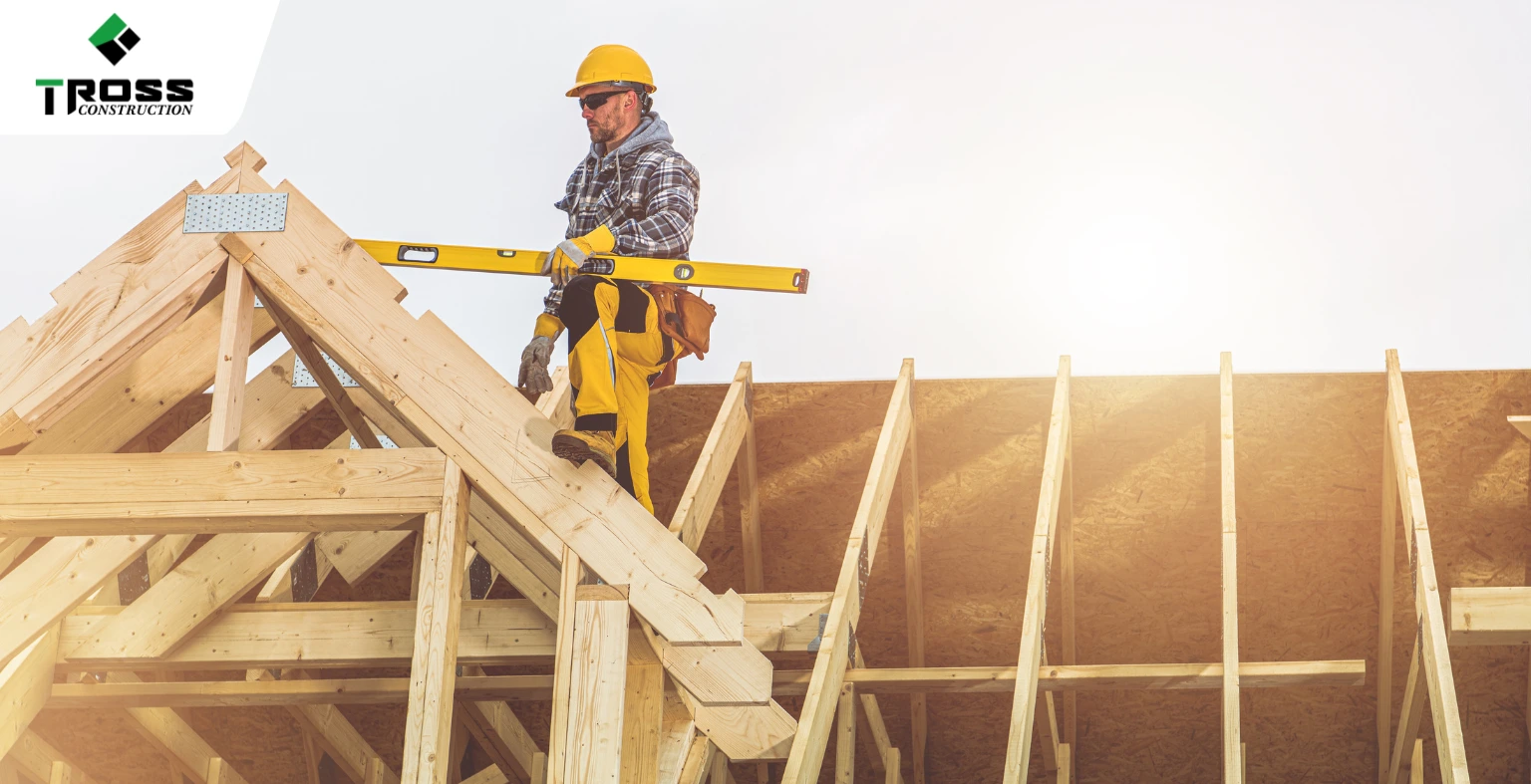
Building a new house ranks among the biggest financial commitments most people will ever make. Many construction delays and budget overruns begin long before excavation starts. Poor planning may lead to costly changes later.
A successful project starts with proper decisions. Every choice affects the final result, from the building site and layout to materials and contractor selection. This blog covers ten important decisions that deserve careful attention before residential construction begins.
By understanding these areas, property owners can avoid common mistakes. They can move forward with confidence.
Why Planning Matters Before Construction Starts
Many people focus on finishes and colours. They think about the design features. These elements matter. But several critical decisions take place before workers even arrive on site.
A strong plan improves efficiency. It controls costs. It reduces stress throughout the project. It also helps contractors give better results.
Experienced builders usually say that the planning stage determines much of the project’s success.
Before reviewing the ten decisions, consider this simple framework
| Planning Area | Long-Term Impact |
| Budget | Cost control |
| Site Selection | Structural stability |
| Design | Daily comfort |
| Materials | Durability |
| Contractor | Quality workmanship |
Each category plays a major role in the final outcome.
1. Choose the Right Building Site
The land itself affects almost every aspect of construction.
Some sites require extensive excavation. Others may need drainage improvements. Some may need foundation adjustments. Things that influence costs are
- Soil quality
- slope conditions
- access routes
A professional site assessment identifies potential issues before construction begins.
Many successful projects start with detailed land evaluations rather than design discussions.
2. Establish a Realistic Budget
This provides direction throughout the project.
Many people focus only on construction expenses. They overlook additional costs. The following things can affect overall spending
- Permit fees
- utility connections
- landscaping
- site preparation
Consider dividing the budget into major categories
| Expense Category | Typical Considerations |
| Site Preparation | Excavation and grading |
| Foundation | Concrete and labour |
| Structure | Framing and roofing |
| Systems | Plumbing and electrical |
| Finishes | Flooring and cabinetry |
A realistic budget reduces surprises later in the process.
3. Select a Functional Floor Plan
This affects everyday living.
Many people focus on appearance. They overlook functionality. The following things deserve careful thought
- Room placement
- traffic flow
- storage areas
- natural light
Ask practical questions
- Will the layout suit future family needs?
- Does the design provide sufficient storage?
- Do living areas connect effectively?
- Will the space remain comfortable over many years?
A well-planned layout usually gives greater satisfaction than expensive upgrades.
4. Decide on Future Space Requirements
Many property owners focus only on current needs.
Life changes over time. Families grow. Work arrangements change. Lifestyle preferences evolve.
Planning for future requirements can reduce renovation costs later.
Consider factors such as
- Additional bedrooms
- Office space
- Guest accommodation
- Storage requirements
- Accessibility needs
Forward-thinking decisions add long-term value.
5. Choose the Right Contractor
This selection remains one of the most important decisions in Residential Construction.
An experienced contractor manages.
- Scheduling
- Communication
- Quality control
- Problem-solving
They will do this throughout the project.
When evaluating contractors, review
Licensing and certifications
- Previous project examples
- Client testimonials
- Industry experience
- Communication practices
Trust and transparency matter just as much as technical skills.
A contractor should explain processes clearly. They must provide realistic expectations.
6. Determine Construction Materials Early
Material selection affects
- Durability
- maintenance requirements
- overall performance
Many decisions involve more than appearance.
The following things contribute to long-term value
- Exterior cladding
- Masonry
- Roofing
- Insulation
- Flooring
Different materials provide different advantages.
| Material Type | Benefit |
| Brick Masonry | Durability |
| Concrete | Structural strength |
| Metal Components | Longevity |
| Quality Insulation | Energy efficiency |
| Premium Roofing | Weather protection |
Early material decisions help avoid delays during construction.
7. Prioritise Energy Efficiency
This aspect continues to influence building decisions even today
Efficient properties usually reduce utility expenses. They improve indoor comfort.
Important considerations include
- Quality insulation
- Energy-efficient windows
- Modern HVAC systems
- Effective air sealing
- Smart energy controls
Many buyers also place greater value on energy-conscious properties.
These improvements usually produce benefits for many years.
8. Plan Drainage and Waterproofing
Water remains one of the biggest threats to any structure.
Poor drainage can lead to
- foundation issues
- moisture damage
- costly repairs
Proper planning should include
- Site grading
- Drainage systems
- Foundation waterproofing
- Sump pump installation
- Surface water management
Experienced builders address these issues during early construction stages rather than after problems appear.
You must know the value of long-term thinking. Many decisions seem minor during planning. Their impact usually becomes clear years later.
The final two decisions focus on future performance and project management.
9. Establish a Realistic Construction Timeline
Every project requires a schedule.
Construction involves many stages, like
- excavation
- foundation work
- framing
- electrical installation
- plumbing
- finishing work
- inspections
The following things can influence progress
- weather conditions
- material availability
- permit approvals
A realistic timeline helps manage expectations. It reduces frustration.
Experienced contractors provide schedules that account for potential delays. They never give unrealistic completion dates.
Typical Construction Stages
- Site preparation
- Excavation
- Foundation work
- Structural framing
- Roofing installation
- Mechanical systems
- Interior finishes
- Final inspections
Each stage depends on the successful completion of previous work.
10. Focus on Long-Term Value Rather Than Short-Term Savings
The lowest initial cost does not always represent the best value.
Some upgrades provide benefits for years. The following things usually reduce future maintenance expenses
- strong materials
- quality workmanship
- durable systems
A useful decision-making approach involves asking one question:
“Will this choice still provide value ten years from now?”
This perspective leads to better outcomes.
Many experienced builders recommend investing in
- structural quality
- insulation
- waterproofing
- essential building systems
These things are more important than decorative upgrades.
A Montreal family initially planned to minimise costs. They thought of doing this by selecting lower-grade exterior materials and basic waterproofing systems.
During consultations, they reviewed long-term maintenance requirements. They also checked the potential repair expenses. They chose quality materials and improved drainage solutions.
Five years later, the property remained in the best condition. It has minimal maintenance requirements.
This case highlights the value of good decision-making during Residential Construction projects.
Final Thoughts
Building a new house requires hundreds of decisions. The ten covered in this blog usually have the greatest influence on project success.
The most important lessons include
- selecting the right site
- choosing experienced professionals
- planning with future needs in mind
Strong budgeting and quality materials also contribute to long-term satisfaction.
These decisions affect for many years the following things
- Costs
- Comfort
- Durability
- Property value
If you are planning a new build in Montreal, working with experienced professionals can make every stage efficient. Tross Construction provides expert assistance and quality workmanship throughout the Residential Construction process.
Contact our team today to discuss your project and take the first step toward a successful build.
FAQs
What permits are usually required before construction begins?
These vary by municipality. Most projects require
- building permits
- zoning approvals
- inspections before major work starts
Can construction continue during winter in Montreal?
Yes. Many activities continue during winter. But weather conditions may affect certain stages and schedules.
Why do construction projects require inspections?
Inspections verify that work meets
- building codes
- safety standards
- approved plans throughout various stages of construction
What role does masonry play in a new build?
It contributes to
- structural strength
- durability
- weather resistance
- exterior appearance
Should property owners visit the construction site regularly?
Regular visits help maintain communication. It provides opportunities to review progress with the contractor.