
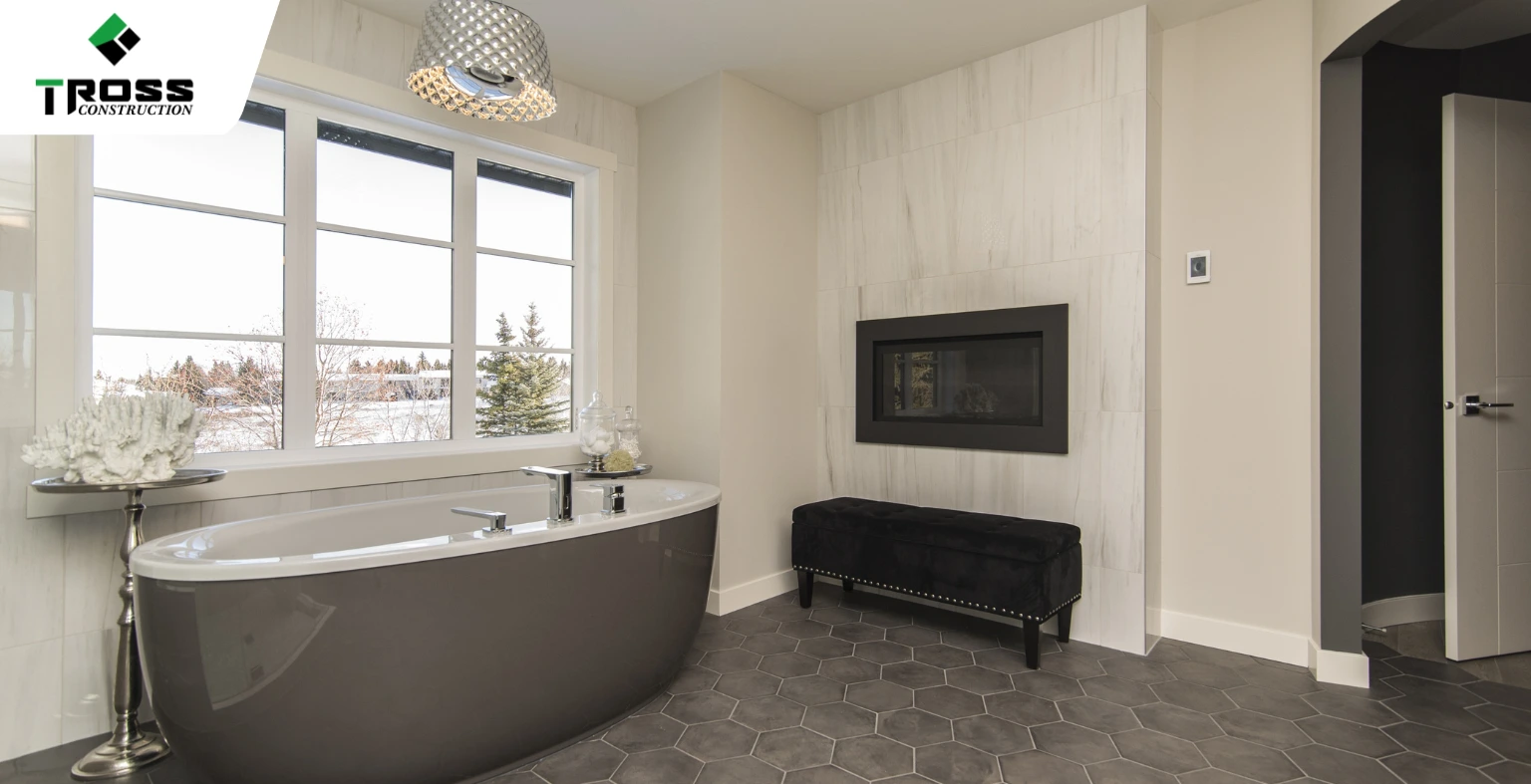
Renovating a bathroom is one of the most rewarding home improvement projects a Montreal homeowner can undertake. Whether you live in a Plateau walk-up, a Westmount family home, or a condo in Griffintown, a well-planned bathroom renovation adds comfort, function, and real resale value to your property. But Montreal’s unique housing stock, older buildings, four-season climate demands, and specific municipal permit requirements mean a “one-size-fits-all” approach rarely works.
This guide walks you through everything you need to know before starting a bathroom renovation in Montreal: costs, permits, design trends, contractor selection, and the mistakes to avoid. As a Montreal-based renovation company, Tross Construction has worked on bathroom projects across the city’s boroughs, and we’ve put together this guide to help you plan with confidence.
Why Bathroom Renovations Matter in Montreal Homes
Montreal’s housing stock is famously diverse in age. Many homes and duplexes in neighborhoods like Rosemont, Villeray, and the Plateau were built in the early-to-mid 1900s, meaning original plumbing, cast iron pipes, and outdated wiring are still common finds behind bathroom walls. A renovation isn’t just cosmetic here; it’s often the only way to address aging infrastructure before it becomes a costly emergency.
At the same time, Montreal’s climate plays a role in design decisions. Cold, humid winters mean proper ventilation, heated flooring, and moisture-resistant materials aren’t luxury upgrades; they’re practical necessities that prevent mold, condensation, and long-term damage.
Average Bathroom Renovation Costs in Montreal
Costs vary significantly depending on scope, but here’s a general breakdown homeowners can expect in the current market:
Cosmetic refresh (paint, fixtures, vanity swap): $3,000–$8,000 This covers updating a dated bathroom without touching plumbing or layout—new vanity, toilet, lighting, mirror, and a fresh coat of paint.
Mid-range renovation (new tile, tub/shower, updated plumbing fixtures): $10,000–$20,000 Most Montreal homeowners land in this range. It typically includes floor and wall tile replacement, a new tub or shower enclosure, updated faucets, and possibly minor layout tweaks.
Full gut renovation (new layout, plumbing relocation, custom features): $25,000–$50,000+ This is common in older triplexes where outdated plumbing needs full replacement or when homeowners want to reconfigure the space entirely—for example, converting a tub into a walk-in shower or adding a second bathroom.
Luxury renovation (heated floors, custom vanities, premium fixtures, smart features): $50,000 and up High-end finishes, freestanding tubs, rainfall showerheads, custom cabinetry, and smart mirrors push costs well beyond standard ranges.
Keep in mind that older Montreal homes often carry hidden costs of asbestos abatement in pre-1990s buildings, knob-and-tube wiring updates, or plumbing that doesn’t meet current code. Always budget an additional 10–15% contingency for surprises behind the walls.
Permits and Regulations in Montreal
One of the most overlooked aspects of a bathroom renovation is the permit process, and Montreal’s rules can catch homeowners off guard.
- Borough-specific permits: Montreal is divided into 19 boroughs, each with its own permit office and, in some cases, its own requirements. A renovation in Ville-Marie may have different documentation needs than one in Ahuntsic-Cartierville.
- Plumbing changes: Moving a toilet, sink, or shower drain typically requires a permit and must be done by a licensed plumber (RBQ licensed) to meet Quebec’s construction code.
- Electrical work: Any new circuits, GFCI outlets, or lighting changes should be handled by a licensed electrician, and inspections are often required.
- Condo renovations: If you live in a condo, your syndicate (condo board) will likely require approval before renovation begins, especially for anything involving plumbing stacks shared with other units.
- Heritage buildings: Homes in designated heritage areas may face additional restrictions on structural changes.
Working with a contractor who understands Montreal’s borough-by-borough permit landscape saves significant time and prevents costly stop-work orders mid-project.
Popular Bathroom Design Trends in Montreal
Montreal homeowners tend to favor designs that balance European-influenced aesthetics with practical, climate-conscious features. Current trends include:
Heated floors. Given Montreal winters, in-floor radiant heating has become a near-standard request in mid-range and luxury renovations alike.
Walk-in showers replacing tubs. Many homeowners are converting old tub/shower combos into sleek, curbless walk-in showers with glass panels, both for aesthetics and accessibility.
Matte black and brushed gold fixtures. These finishes remain popular for their contrast against classic white subway tile or moody, dark-toned walls.
Large-format tile. Fewer grout lines, easier cleaning, and a more modern, seamless look are driving demand for large-format porcelain tile in both showers and flooring.
Double vanities. In family homes and larger condos, double-sink vanities are increasingly requested to improve morning routines.
Smart, moisture-resistant materials. Given Montreal’s humidity swings between seasons, quartz countertops, porcelain tile, and moisture-resistant MDF or PVC vanities are preferred over materials prone to warping.
How to Choose the Right Bathroom Renovation Contractor in Montreal
Not all contractors are created equal, and choosing the right one is the single biggest factor in whether your renovation goes smoothly. Whether you work with Tross Construction or another local company, here’s what to look for.
Verify RBQ licensing. Any contractor doing structural, plumbing, or electrical work in Quebec should hold a valid Régie du bâtiment du Québec (RBQ) license. Ask for the license number and verify it directly on the RBQ website.
Ask about experience with your building type. A contractor experienced in older Plateau triplexes will anticipate issues—like uneven subfloors or outdated plumbing stacks—that a contractor used to new-build condos might miss.
Request local references. Ask for examples of recent bathroom renovations completed in your borough or a similar building type, and if possible, speak directly with past clients.
Get a detailed, itemized quote. A trustworthy contractor will break down costs by labor, materials, and permits rather than giving a single lump-sum figure with no explanation.
Clarify timelines. Bathroom renovations in Montreal typically take 3–6 weeks depending on scope. Be wary of quotes that seem unrealistically fast for a full gut renovation.
Check insurance coverage. Confirm the contractor carries liability insurance in case of water damage or accidents during the project.
Common Mistakes to Avoid
Skipping ventilation upgrades. Montreal’s humidity makes proper exhaust fans essential. Underpowered or poorly vented fans lead to mold growth behind tile and drywall within a few years.
Ignoring the plumbing behind the walls. Cosmetic renovations that ignore aging galvanized or cast iron pipes often result in leaks shortly after the “new” bathroom is finished.
Underestimating permit timelines. Some boroughs take several weeks to process permits. Starting demolition before permits are approved can result in fines or forced work stoppages.
Choosing trends over function. A stunning freestanding tub looks great in photos but may not suit a small, single-bathroom household that needs quick shower access every morning.
Not budgeting for contingencies. Older homes almost always reveal surprises once walls are opened. A renovation budget with no contingency buffer is a common source of stress and unfinished projects.
Is Now a Good Time to Renovate in Montreal?
Montreal’s real estate market continues to reward updated, move-in-ready homes, particularly in competitive boroughs like the Plateau, Rosemont, and Verdun. A modernized bathroom is consistently cited by real estate agents as one of the renovations with the strongest return on investment, often recouping 60–70% of costs at resale and even more when it resolves an outdated single-bathroom layout in a family home.
For homeowners planning to stay long-term, the value goes beyond resale: improved ventilation, updated plumbing, and better heating solve real day-to-day comfort issues that are especially noticeable during Montreal’s long winters.
Frequently Asked Questions
1. How long does a bathroom renovation take in Montreal?
Most mid-range renovations take 3–6 weeks from demolition to final walkthrough, depending on scope. Full gut renovations involving plumbing relocation or structural changes can take 6–8 weeks, especially if permit approval timelines run long in your borough. Tross Construction provides a project-specific timeline as part of every quote so there are no surprises once work begins.
2. Do I need a permit to renovate my bathroom in Montreal?
It depends on the scope. Cosmetic updates like new fixtures or paint typically don’t require a permit, but moving plumbing, adding electrical circuits, or altering structural walls does. Since requirements vary by borough, it’s best to confirm with your local permit office or have your contractor handle the application on your behalf.
3. How much does it cost to renovate a small bathroom in Montreal?
A small bathroom refresh, including a new vanity, toilet, fixtures, and paint, generally falls between $3,000 and $8,000. If you’re updating the tile, tub, or shower as well, expect costs closer to $10,000–$15,000 even for a smaller footprint, since labor costs don’t scale down proportionally with square footage.
4. Can old Montreal homes handle modern bathroom features like heated floors?
In most cases, yes. Heated flooring, walk-in showers, and updated ventilation can all be retrofitted into older duplexes and triplexes, though it may require additional subfloor prep or electrical upgrades. Tross Construction regularly integrates modern features into century-old Montreal homes while respecting the building’s existing structure.
5. Should I renovate my bathroom before selling my home?
Generally, yes. An updated bathroom is one of the renovations most consistently linked to stronger resale value in Montreal’s market, particularly in competitive boroughs. Even a mid-range refresh can make a home more attractive to buyers and help it stand out in listings.
Final Thoughts
A bathroom renovation in Montreal is about more than choosing tile and fixtures; it’s about navigating the realities of the city’s older housing stock, borough-specific permitting, and a climate that demands practical, moisture-resistant design choices. Whether you’re planning a simple refresh or a full gut renovation, working with an experienced, RBQ-licensed local contractor who understands Montreal’s unique building landscape is the key to a smooth, successful project.
If you’re ready to start planning your bathroom renovation, reach out to the Tross Construction team for a free consultation and a detailed, no-obligation quote tailored to your home and borough.