
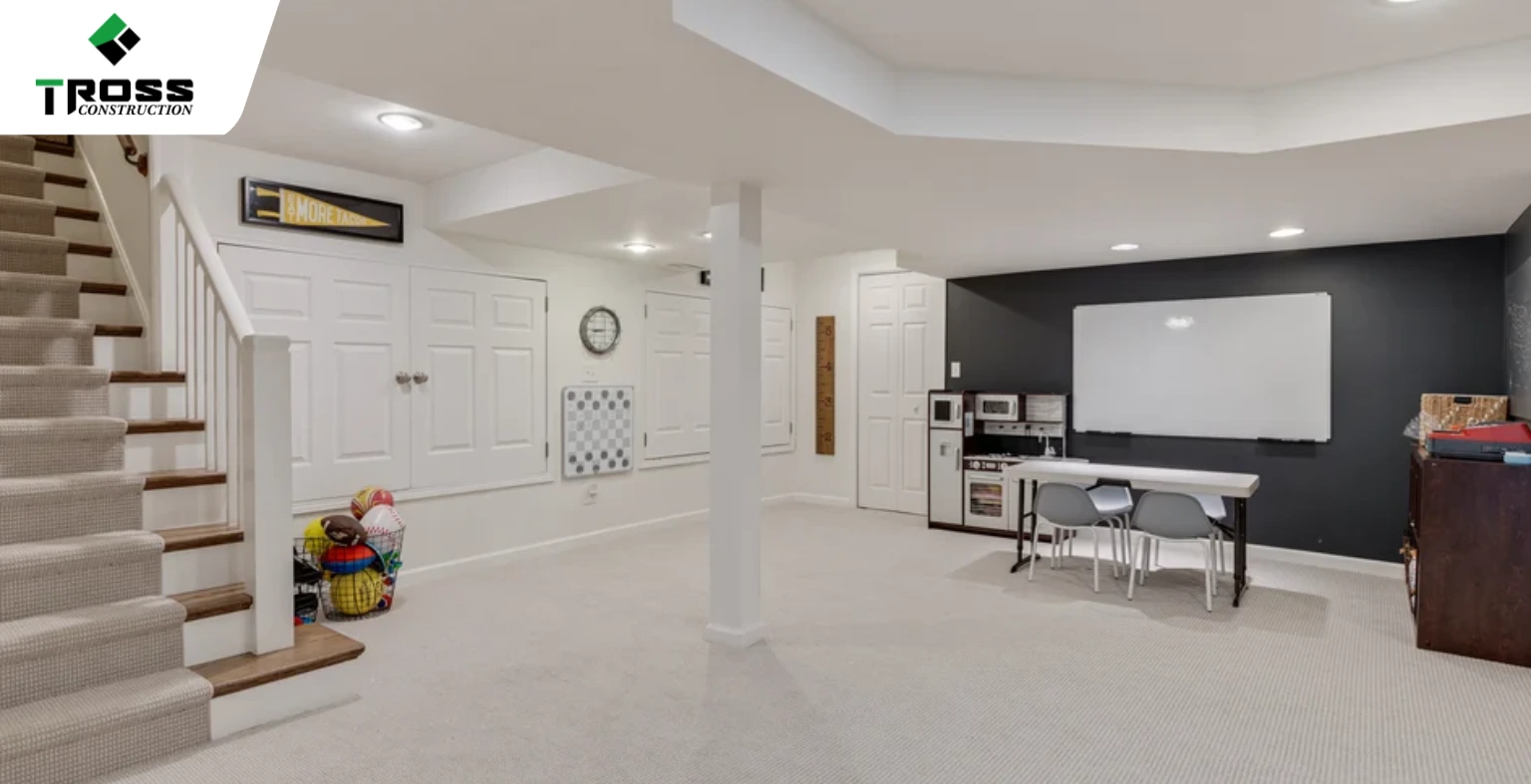
If you own a home in Montreal, your basement is doing more work than you realize. Winters here freeze the ground solid, then spring sends all that snowmelt straight back into the soil around your foundation. Add a few days of heavy rain, and you’ve got real pressure building up against that. In many older neighborhoods, such as Verdun, Rosemont, and NDG, where drainage systems were poured decades before anyone thought about modern drainage, the pressure is even greater.
That’s where basement waterproofing Montreal homeowners rely on. It’s not just a fix for a leak that’s already happened. It’s routine maintenance that catches small problems before they become foundation problems. This guide covers what to check, what those signs actually mean, and when it’s worth calling in a professional.
Why Basement Waterproofing Matters in Montreal
There’s a reason waterproofing is frequent with older Montreal homes, specifically. The climate here is the main reason for the effect on foundations.
Why Montreal Homes Face More Moisture Problems
Montreal soil holds water. Clay-heavy ground doesn’t drain the way sandy soil does, so moisture sits around foundations longer after every storm. Then winter hits, and whatever water is still in the ground freezes and expands. That’s frost heave, and it happens every single freeze-thaw cycle from November through March.
A lot of foundations built before the 1980s used concrete mixes that just don’t flex the way newer materials do. Combine that age with a wet spring and hydrostatic pressure, the force water creates when it saturates the soil pressing against a wall, builds up faster than most people expect.
What Happens When Waterproofing Is Ignored
A small crack rarely stays small. Once water finds a path in, it tends to widen that path a little more with each freeze-thaw cycle.
If you ignore the early warning indicators long enough, you’ll typically see:
- Mold on walls, insulation, or anything stored down there
- Foundation walls that weaken with every seasonal cycle
- Ruined flooring, drywall, and sometimes electrical issues
- Harder to sell if you ever put the house on the market
- A repair bill that’s a lot higher than it would’ve been a year earlier
Montreal basements deal with more moisture because of freeze-thaw cycles, older foundation materials, and wet springs. Hydrostatic pressure builds against walls and causes cracking and seepage. Left alone, it leads to mold and real structural damage, not just a damp smell.
Basement Waterproofing Inspection Checklist
None of this requires special equipment. Most of what matters is visible if you know where to look.
| Inspection Area | What to Look For | Why It Matters |
| Foundation walls | Cracks, bowing, flaking concrete | Cracks let water in and can signal real structural stress |
| Basement walls | Damp patches, efflorescence, peeling paint | Means moisture is already passing through the wall |
| Basement floors | Standing water, cracks, discoloration | Usually points to seepage from below |
| Windows and window wells | Debris, cracked seals, and pooled water | Poor drainage here causes leaks during rain |
| Air quality | Musty smell, visible mold | Signals moisture even without a visible leak |
| Sump pump | Whether it activates, the discharge line condition | A dead pump means no backup during a storm |
| Gutters and downspouts | Clogs, disconnections, short extensions | Bad drainage sends water right to the foundation |
| Exterior grading | Which way does the ground slope near the house | The wrong slope funnels water toward the basement |
1. Check for Foundation Cracks
Hairline cracks under about two millimeters are common, and plenty of solid homes have a few. What matters more is whether a crack is growing or running diagonally instead of straight, since that can point to settling.
Snap a photo of any crack next to a coin for scale. Check it again in a few months. A crack that hasn’t moved is a lot less concerning than one that has.
2. Inspect Basement Walls
Run your hand along the wall. If you notice a chalky white residue, those are efflorescence mineral deposits left behind after water moves through concrete and evaporates. It’s not damage on its own, but it confirms water is getting through.
Peeling paint, soft drywall, or a wall that just feels damp, no matter the weather, are worth writing down too.
3. Inspect Basement Floors
Floors should be dry. Standing water after it rains, discoloration where the floor meets the wall, or a smell that won’t go away are all signs that water is coming from underneath the slab, not just from a wall.
4. Inspect Windows and Window Wells
Basement windows are an easy entry point for water that people overlook. Debris in the window well blocks drainage, so water just pools against the frame during a storm.
Make sure it actually fits and that the gravel underneath hasn’t compacted into a solid, useless mass over the years.
5. Look for Mold and Musty Odours
A musty smell almost always means moisture, even without a leak you can point to. Mold can grow behind drywall or under carpet long before it’s visible anywhere.
Did You Know? Mold can start developing within 24 to 48 hours of sustained moisture, well before a stain ever shows up on the wall.
6. Test the Sump Pump
Got a sump pump? Pour a bucket of water into the pit and watch what happens. It should kick on, move the water out, and shut off cleanly.
If it hesitates, runs longer than it should, or grinds, don’t wait for spring to find out it’s failing. That’s exactly when you’ll need it most.
7. Inspect Gutters and Downspouts
Gutters and downspouts are supposed to carry roof water away from your foundation. Clogged gutters overflow and send that water straight down the wall instead.
Downspouts should extend at least two meters out. Many homes have extensions that were removed years ago and never replaced, which subtly reproduces the seepage issue that interior repairs should address.
8. Check Exterior Grading
The ground near the foundation needs to slope away from the house. This gets overlooked constantly, and it’s one of the simplest causes of basement leaks to fix.
Common Mistakes to Avoid: New garden beds or mulch piled up against the foundation can trap moisture and reverse a slope that was fine when the house was built.
Signs Your Basement Needs Waterproofing Immediately
Not every issue needs the same-day attention. Here’s a rough guide on urgency.
| Warning Sign | Severity | Recommended Action |
| Minor hairline cracks, faint musty smell | Low | Keep an eye on it; recheck in a few months |
| Efflorescence, damp walls, occasional small puddles | Moderate | Book a professional inspection soon |
| Active seepage, widening cracks, visible mold | High | Call a waterproofing company shortly |
| Standing water, sump pump failure, bowing wall | Urgent | Get it looked at right away |
Quick Answer: Waterproofing becomes urgent when there’s active seepage, a bowing wall, sump pump failure, or standing water after rain. Those points are signs of real structural stress, and they shouldn’t wait. A quick call now is usually less expensive than a bigger repair later.
Interior vs Exterior Basement Waterproofing
Are you thinking about the area you should do the waterproofing first? It depends on what’s causing the problem in the first place.
| Interior Waterproofing | Exterior Waterproofing |
| Manages water once it’s inside, using drains and sump pumps | Stops water before it ever reaches the wall |
| Ongoing seepage, finished basements, tighter budgets | Severe leaks, foundation cracks, and long-term prevention |
| Minimal, mostly done from inside | Requires digging around the foundation |
| Interior drains, sump pumps, and vapor barriers | Membranes, French drains, foundation coating |
| Manages existing water well | Deals with the actual source |
Interior waterproofing often pairs with a sump pump installation, since managed water needs somewhere to go. Exterior work usually involves French drain installation to reroute water before it ever becomes your problem.
How Much Does Basement Waterproofing Cost in Montreal?
Anyone asking how much basement waterproofing costs deserves an honest answer. Pricing depends on your specific foundation, your soil, and how much damage is already there.
| Service | What Influences Cost |
| Foundation crack repair | How many cracks, how wide, how deep |
| Interior waterproofing | Basement size, drainage complexity, sump pump needs |
| Exterior waterproofing | Excavation depth, foundation length, soil type |
| French drain installation | Drain length, soil conditions, and property slope |
| Sump pump installation | Pump capacity, battery backup, discharge routing |
Home age and existing damage matter too. The only reliable way to get an actual number is a professional inspection, since it accounts for your foundation instead of a generic average.
Basement waterproofing costs in Montreal vary based on foundation size, damage level, and whether the job is interior or exterior. A professional inspection is really the only way to get a number that reflects your actual home.
DIY Inspection vs Professional Inspection
You can figure out a lot on your own, but a trained eye inspection can only solve your problem.
| DIY Inspection | Professional Inspection |
| Visual checks, basic testing | Full structural and drainage review |
| Flashlight, moisture meter, tape measure | Moisture meters, borescopes, and grading checks |
| Good for spotting obvious signs | Finds the actual cause, not just symptoms |
| Routine seasonal checks | Diagnosing active leaks or structural concerns |
| You know something’s off | An actual plan for fixing it |
A DIY check is useful for staying on top of things year to year, but it’s not a diagnosis. A crack that looks minor to an untrained eye can still mean the foundation is shifting underneath.
What Happens During a Professional Basement Waterproofing Inspection
Most inspections follow roughly the same sequence:
- Initial conversation. You describe what you’ve noticed: leaks, smells, timing, anything recent.
- Interior check. Walls, floors, windows, and the sump pump get reviewed for signs of water getting in.
- Exterior check. Grading, gutters, downspouts, and the foundation exterior get looked over for drainage problems.
- Moisture and crack analysis. Moisture meters and visual inspection pin down where the water’s actually coming from.
- The findings. You get a plain explanation of what’s happening and what your options are.
- Quote and timeline. A written quote covers the cost factors and gives you a realistic timeline.
The point isn’t just telling you something’s wrong. It’s explaining why it’s happening and what actually fixes it.
How to Choose the Right Basement Waterproofing Company in Montreal
Price shouldn’t be the only thing you’re weighing. Look for a company that:
- Has real experience with Montreal’s climate and older foundation types
- Gives you a written quote you can actually understand
- Explains the cause, not just the fix
- Backs its work with a warranty on materials and labour
- Has reviews or references from homeowners with similar problems
- Communicates clearly through the whole process, not just at the sales pitch
If a company takes the time to explain hydrostatic pressure and drainage instead of rushing to a number, that’s usually a good sign.
Maintenance Tips to Keep Your Basement Dry
A little upkeep goes a long way:
- Clean gutters and downspouts at least twice a year
- Keep downspouts extended at least two metres from the house
- Check exterior grading every year, especially after landscaping work
- Test the sump pump every few months, particularly before spring
- Seal small cracks early, before they get bigger
- Keep dense landscaping away from foundation walls
- Watch the basement humidity year-round, not just when it smells off
Frequently Asked Questions
How often should I inspect my basement for waterproofing issues?
Twice a year works well. Once in spring after snowmelt, once in fall before winter. Check again after any unusually heavy rain.
What is hydrostatic pressure, and why does it matter?
It’s the force that water in saturated soil puts against foundation walls. It’s a major cause of cracking and seepage in Montreal homes.
Can I waterproof my basement myself?
Minor sealing and upkeep, sure. Structural cracks or active seepage need a professional diagnosis and a real waterproofing plan.
Is interior or exterior waterproofing better for my home?
Depends entirely on what’s causing the problem. A professional inspection will tell you which approach actually fits your foundation.
How much does basement waterproofing cost in Montreal?
It varies by foundation size, damage level, and method used. A professional inspection is the only way to get a quote that’s actually accurate.
The Bottom Line
Waterproofing isn’t a one-time fix. It’s how you protect a Montreal home against a climate that freezes, thaws, floods, and repeats every single year. A basement waterproofing Montel check twice a year catches most problems while they’re still small and cheap to deal with.
If your inspection turns up cracks, damp walls, mold, or a sump pump that isn’t pulling its weight, it’s worth getting a professional opinion before the next freeze-thaw cycle makes it worse.
Tross Construction handles basement and foundation waterproofing across Montreal and knows exactly what this climate does to a foundation over time.