
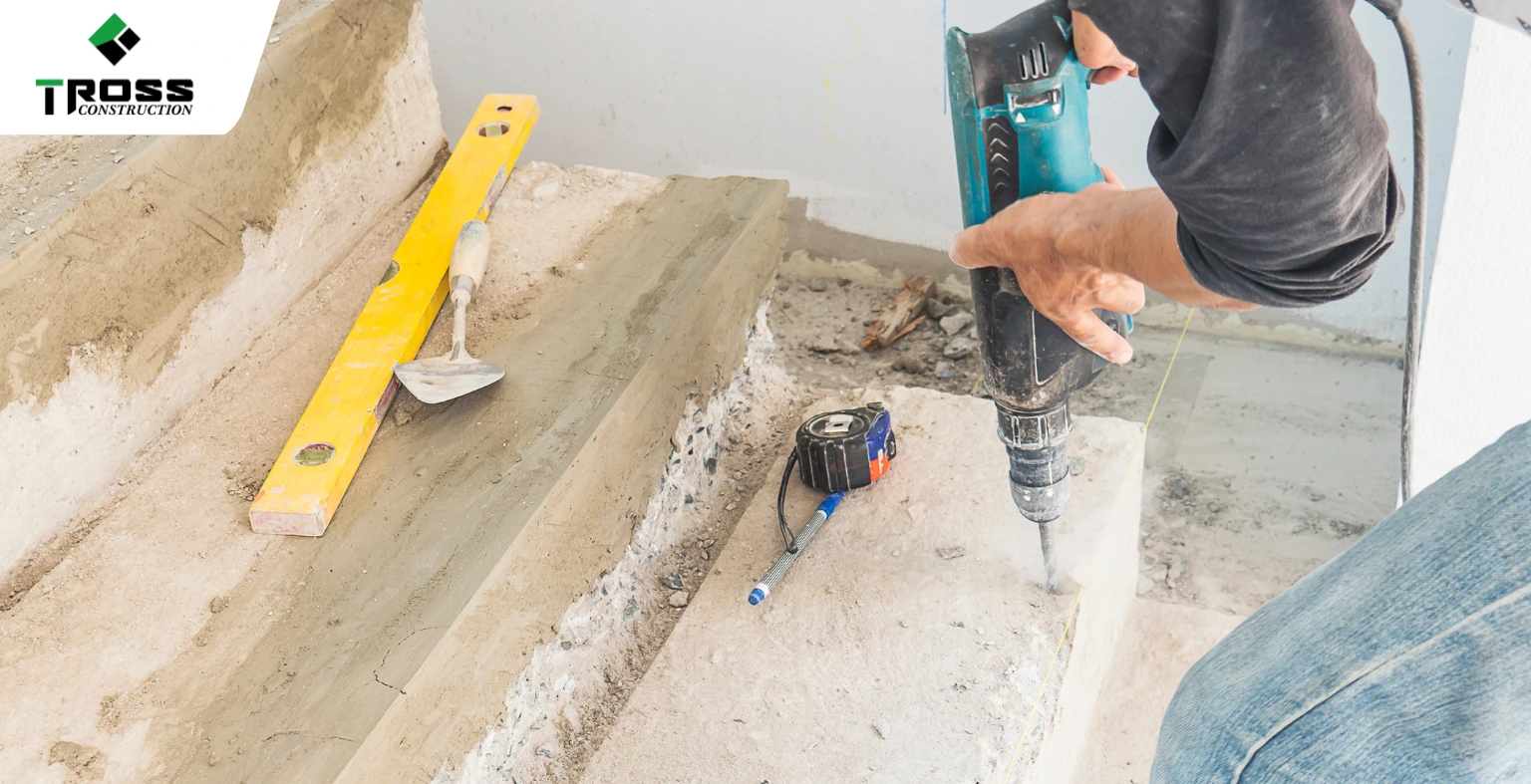
Many Montreal homes feature cement stairs, durable though susceptible to wear from harsh winters and constant use. You might notice cracks, spalling, or uneven surfaces developing over time. Addressing these issues promptly prevents further damage and costly replacements, ensuring safety and preserving your property’s value.
Understanding Common Problems with Concrete Steps
Impact of Montreal Freeze-Thaw Cycles
Montreal’s climate presents unique challenges for concrete stairs. You will often observe deterioration directly attributable to the persistent freeze-thaw cycles, which cause water to expand and contract within the concrete, leading to internal stress and material breakdown over time. This cyclical stress frequently manifests as surface damage.
Identifying Deep Structural Cracks vs. Surface Spalling
Distinguishing between minor surface imperfections and significant structural damage is critical for effective repair. You should carefully examine the type of damage present, as it dictates the appropriate repair methodology and can drastically affect the longevity of the restoration. Small, shallow chips, known as spalling, often appear on the surface of your concrete steps, typically resulting from the freeze-thaw action or minor impact. These cosmetic issues, while unsightly, usually do not compromise the structural integrity of the stairs themselves. Conversely, deep, wide cracks extending through the entire thickness of a step, or those forming a spiderweb pattern, often signal underlying structural problems, possibly indicating issues with the foundation or insufficient reinforcement within the concrete slab.
How-to Steps for Basic Cement Stairs Repair in Montreal
Undertaking minor repairs yourself can extend the life of your cement stairs, addressing small cracks or spalling before they escalate. You will need a few basic tools and materials, readily available at hardware stores, to achieve a durable fix. Always prioritize safety, wearing appropriate gloves and eye protection throughout the process.
Cleaning and Preparing the Damaged Area
Begin by thoroughly cleaning the repair site. Use a wire brush and chisel to remove all loose concrete, dirt, and debris. A shop vacuum can then clear fine particles, ensuring the patching material adheres properly to a clean, stable surface.
Mixing and Applying High-Strength Concrete Patch
Carefully mix the high-strength concrete patch according to the manufacturer’s instructions, typically aiming for a thick, peanut butter-like consistency. Apply the mixed patch firmly into the prepared area using a trowel, ensuring it fills all voids and is flush with the existing concrete surface.
Working quickly is important as these patching compounds often have a limited working time, usually 10-20 minutes, before they begin to set. You can achieve a smooth finish by feathering the edges of the new patch into the surrounding concrete with a damp trowel. For larger repairs or those on stair nosings, consider using a formwork made from wood to help shape and support the patch as it cures, preventing slumping and ensuring a crisp edge.
Factors That Determine the Total Cost of Restoration
Several elements influence the final price of your cement stair repair project in Montreal. Evaluating each component helps you budget accurately and understand the scope of work. After considering these variables, you can obtain a precise estimate. * The dimensions of your staircase The extent of existing damage Local labor rates and material choices
Size of the Staircase and Severity of Damage
Naturally, larger staircases require more materials and time for repair, increasing overall costs. Significant structural cracks or spalling (deterioration of the concrete surface) necessitate more intensive preparation and restoration techniques. Minor chips and surface imperfections will incur lower repair expenses.
Labor Requirements and Material Quality in Quebec
The hourly rates for skilled concrete technicians in Montreal directly affect your total expenditure. Material costs also fluctuate based on the type of concrete mix (for example, rapid-setting or high-strength varieties) and any specialized additives required for durability in Quebec’s climate (such as air-entraining agents to resist freeze-thaw cycles). Choosing durable, high-quality repair materials, while potentially a larger upfront investment, often prevents premature deterioration, saving you from future repairs. A reputable contractor will specify materials designed to withstand Montreal’s harsh winters, including specialized polymer-modified repair mortars that bond strongly to existing concrete and resist water penetration. Proper material selection ensures the longevity and structural integrity of your restored stairs, preventing issues like efflorescence or aggregate exposure that can arise from substandard products.
Tips for Selecting a Reliable Specialist like Tross Construction
Choosing the right contractor for your cement stair repair ensures a durable and safe outcome. You want a company with a proven track record in Montreal’s specific climate challenges and construction standards. Look for transparency in their process and clear communication regarding project scope and potential issues. Any reputable specialist, like Tross Construction, will meet these criteria.
Checking RBQ Licensing and Liability Insurance
Always verify a contractor’s RBQ license to confirm their legal authorization to operate in Quebec. This license indicates adherence to provincial construction regulations. Confirm they also hold adequate liability insurance, protecting you from unforeseen accidents or damages during the repair process.
Requesting Detailed Estimates and Project Timelines
Insist on receiving a comprehensive written estimate that itemizes all costs, including materials, labor, and any potential subcontracting. This document should also clearly outline the project’s start and completion dates. A detailed timeline helps manage expectations and track progress effectively.
A thorough estimate should break down expenses by phase or component, for example, distinguishing between demolition, concrete pouring, and finishing work. Clarify what constitutes an “extra” cost and how change orders are handled, as unexpected issues can sometimes arise during repairs. Understanding the project timeline involves more than just start and end dates; it should also include milestones, such as inspection points or specific curing periods, which are critical for cement work.
Essential Maintenance Tips to Extend Stair Longevity
Maintaining your cement stairs prevents minor issues from escalating into costly repairs. Regular cleaning and inspection are key to long-term durability, especially in Montreal’s climate.
- Sweep debris frequently.
- Rinse with water periodically.
- Inspect for small cracks or spalling.
Assume that addressing these proactively saves significant expense.
Applying Protective Sealants Against Moisture
Applying a high-quality concrete sealant every few years creates a barrier against water penetration, freeze-thaw cycles, and salt damage. This protective layer significantly reduces surface deterioration.
Safe De-icing Practices for Local Homeowners
Using the correct de-icing products is critical for preserving your stairs. Avoid rock salt (sodium chloride), which corrodes concrete over time.
Calcium chloride- or magnesium chloride-based de-icers are safer alternatives, as they are less aggressive on cement surfaces. Always clear snow promptly before ice can form, reducing the need for chemical de-icers. Shoveling efficiently and applying sand for traction are also effective, low-impact strategies.
The Benefits of Professional Cement Stairs Repair in Montreal
Restoring Curb Appeal and Property Value
Aesthetic improvements significantly impact your property. Professional repair restores the original beauty of your stairs, directly enhancing your home’s curb appeal and potentially increasing its market value, a key consideration in Montreal’s competitive housing market.
Ensuring Structural Safety and Compliance
Safety is paramount for any homeowner. Expert repairs address underlying structural issues, preventing potential hazards and ensuring your stairs meet local building codes and safety regulations, protecting both residents and visitors.
Ignoring even minor cracks can compromise the entire staircase over time, creating tripping hazards or, in severe cases, leading to partial collapse. Professional contractors possess the expertise to identify these weaknesses, employing techniques and materials that not only fix visible damage but also reinforce the structural integrity of the steps. This comprehensive approach ensures long-term stability, protecting you from liability and providing peace of mind. For example, a thorough inspection might reveal underlying soil erosion contributing to stair instability, a problem a DIY patch job would never address.
To wrap up
You can preserve your property’s value and safety by addressing cement stair issues promptly. Selecting a qualified Montreal contractor ensures durable repairs, preventing minor cracks from escalating into costly structural damage. Always verify their experience with local climate challenges and specific concrete repair techniques before committing to any project.
FAQ
Q: What are the most common problems affecting cement stairs in Montreal?
A: Montreal’s climate, characterized by freeze-thaw cycles and significant snowfall, frequently contributes to several issues in cement stairs. Spalling, where the surface of the concrete flakes or pits, often occurs due to water penetration and subsequent freezing. Cracks, ranging from hairline to structural, can develop from ground movement, improper curing, or heavy impact.
Q: How much does it typically cost to repair cement stairs in Montreal?
A: The cost of cement stair repair in Montreal varies significantly based on the extent of the damage and the repair method required. Minor repairs, such as patching small cracks or spalling, might range from $300 to $800 per step, depending on material costs and labor.
Q: Can I perform minor cement stair repairs myself, or should I always hire a professional?
A: Homeowners can address very minor cosmetic issues, such as filling small, non-structural cracks (less than 1/8 inch wide) or patching shallow spalls, using readily available concrete repair compounds. Proper surface preparation, including cleaning and priming, is important for these DIY tasks.
Q: What should I look for when choosing a contractor for cement stair repair in Montreal?
A: Selecting a qualified contractor involves several key considerations. Verify the contractor’s experience specifically with concrete repair in Montreal’s climate; ask for references from previous projects. Ensure they hold appropriate licenses and insurance, which protects both parties in case of accidents or unforeseen issues.
Q: How can I prevent future damage to my repaired cement stairs?
A: Proactive maintenance is crucial for extending the lifespan of repaired cement stairs. Regularly clean the stairs to remove debris, dirt, and de-icing salts, which can accelerate deterioration. Apply a high-quality concrete sealer every 2-3 years; this creates a barrier against water penetration and minimizes the effects of freeze-thaw cycles.